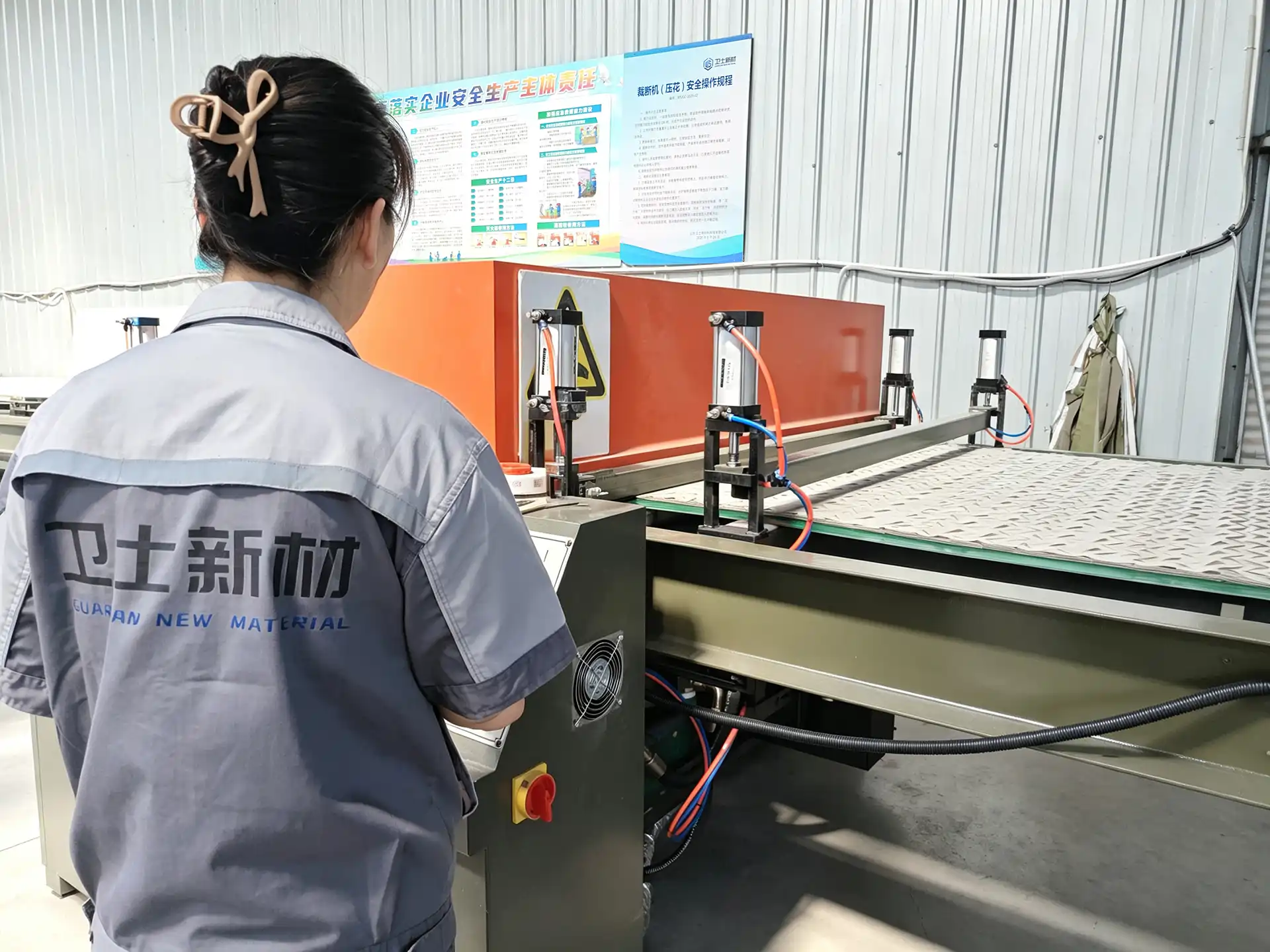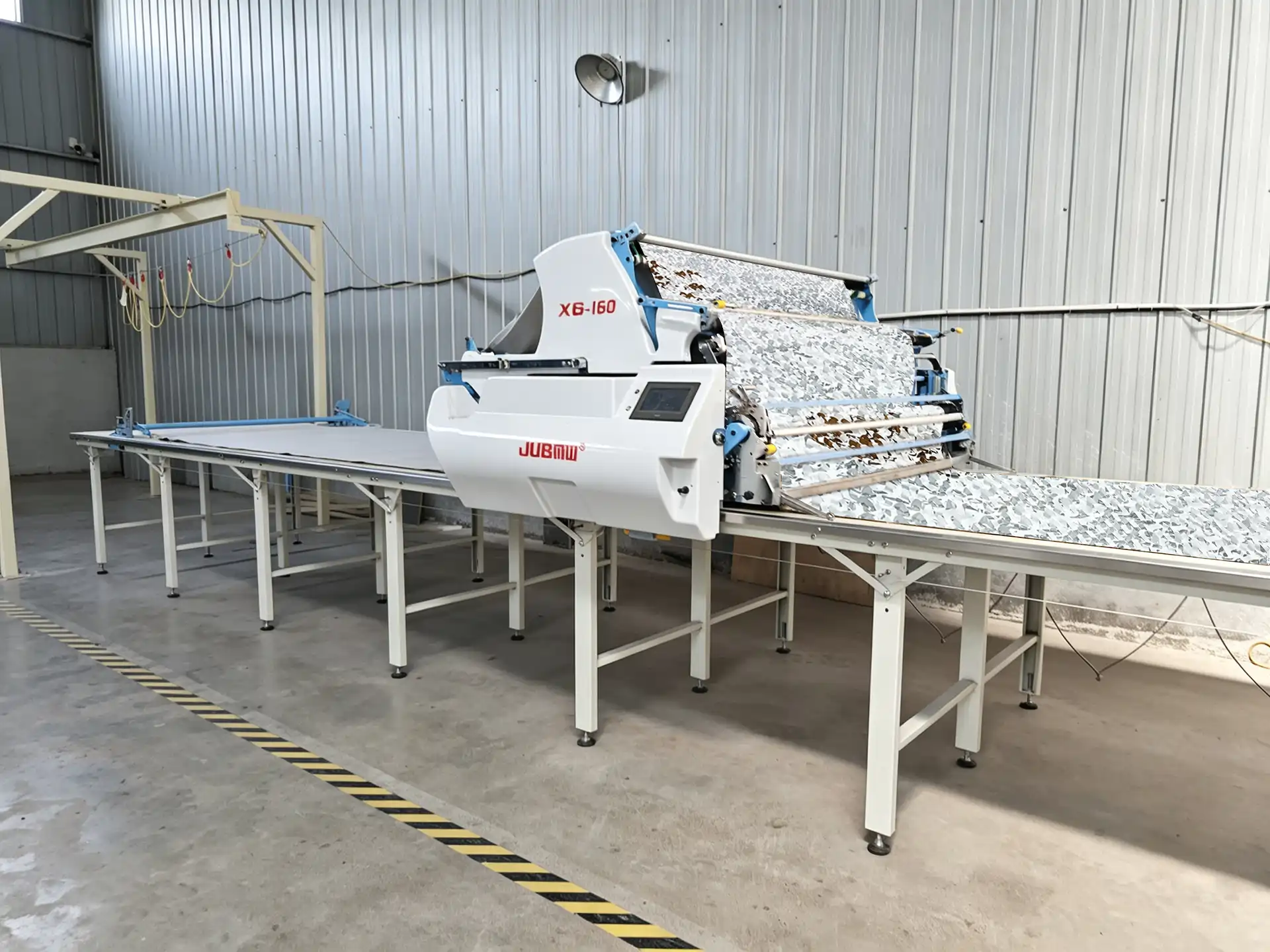

Quality Control from Incoming Materials to Shipment
Quality control is incorporated into product development, material inspection, production and final verification.
Incoming Material Inspection
Fabric, mesh, zippers, webbing, buckles and other hardware are inspected before production. The inspection scope is determined by the approved material specification and product requirements.
First-Article and In-Process Inspection
QC personnel inspect the first completed unit or first production section before continuing with bulk manufacture.
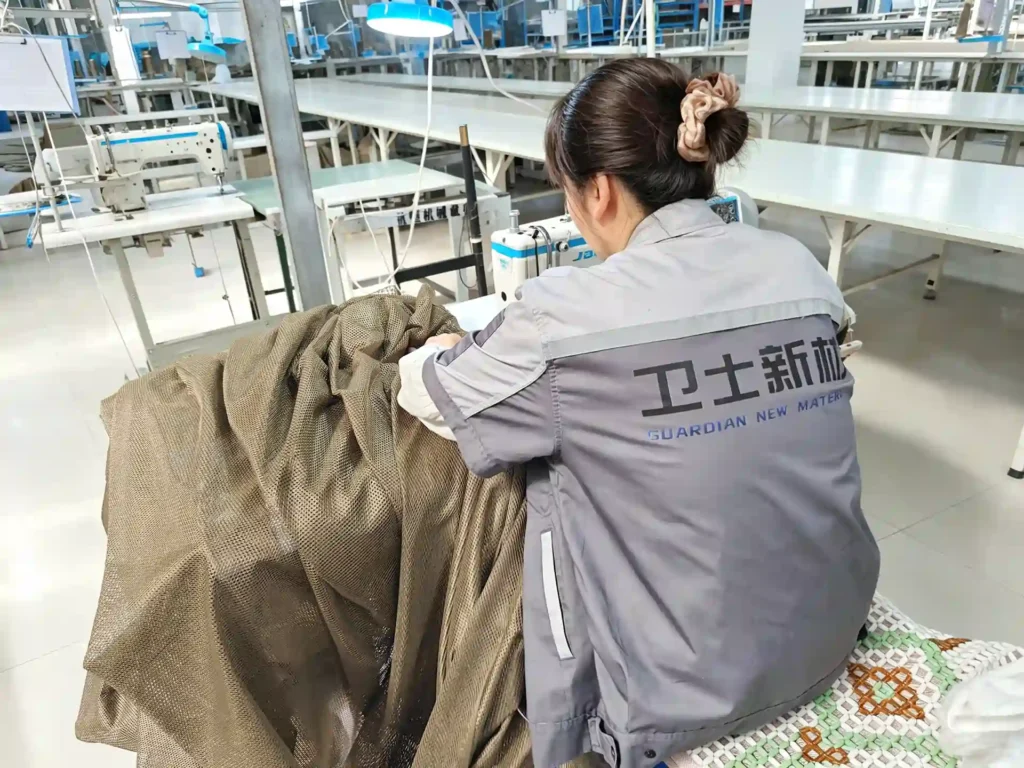
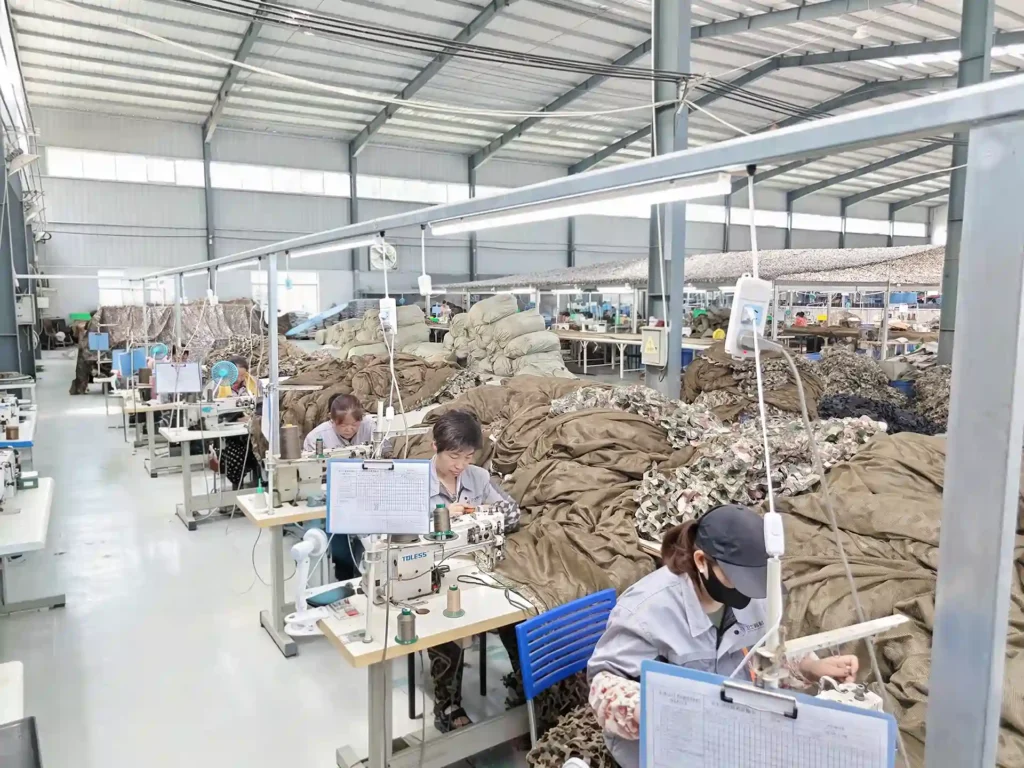
During sewing and assembly, inspectors check issues such as seam position, skipped stitches, loose thread ends, component placement and product structure.
Laboratory and Performance Testing
Relevant tests are selected according to the product specification. Depending on the product, this may include colour difference, thickness, tensile strength, tear strength, colourfastness, hydrostatic pressure, flame performance, surface resistance, gloss or UV-ageing evaluation.
Final Verification and Packing Inspection
Before products enter storage or are released for shipment, inspectors confirm dimensions, construction, appearance, accessories, packing method and required test results.
Testing requirements should be confirmed before production because different products and application environments require different inspection items.
In-House Testing Capabilities

Colour Difference Measurement
A spectrophotometer is used to compare a production sample with an approved colour standard. The instrument performs black and white calibration before measuring the standard and sample. The resulting colour difference data helps the quality team monitor colour consistency between samples and production batches.
Gloss Measurement
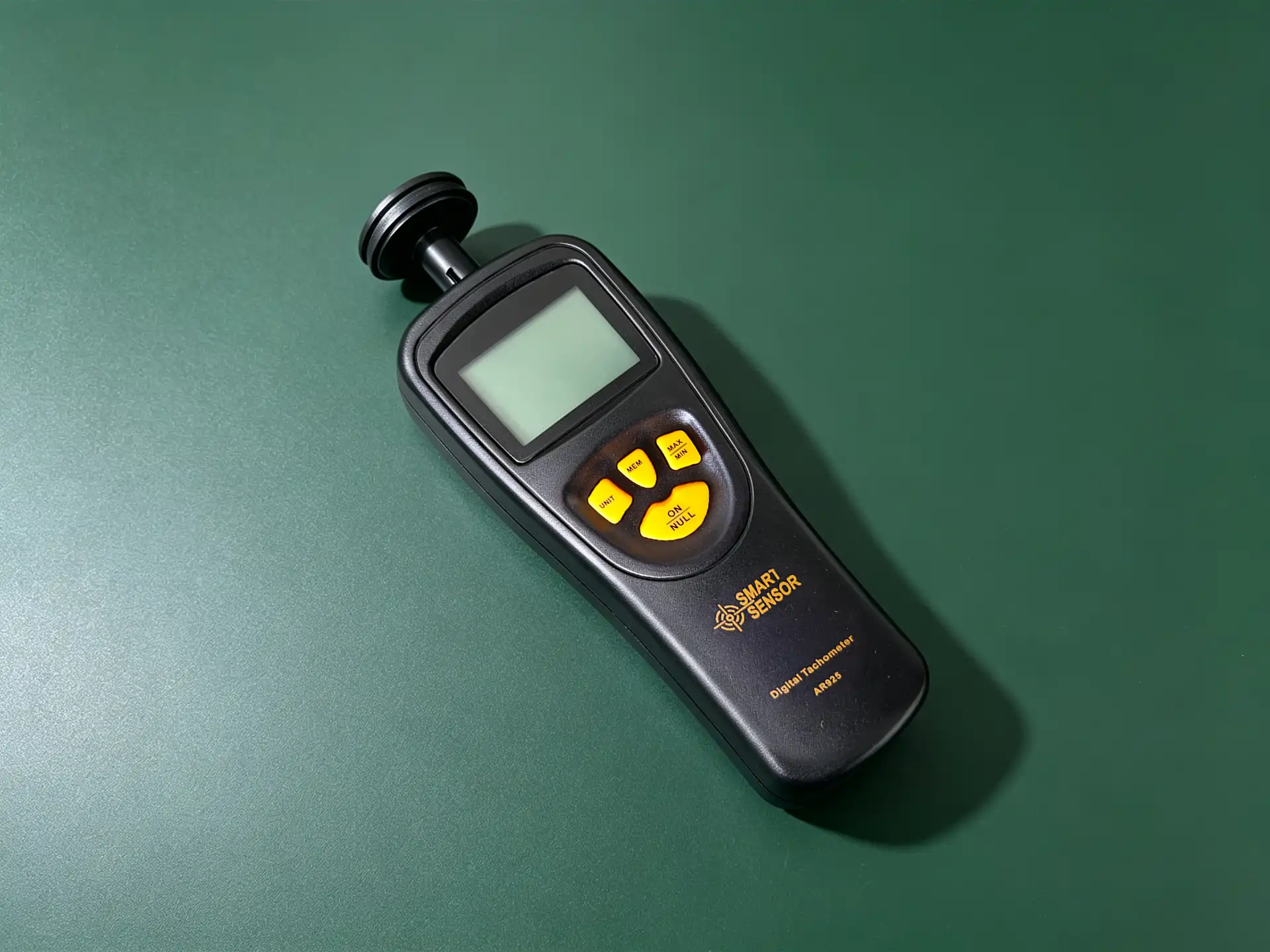
A gloss meter measures the surface reflection level of fabrics and coated materials. This is particularly relevant when a matte or low-reflection surface is specified. Measurements can be compared during development and production inspection.
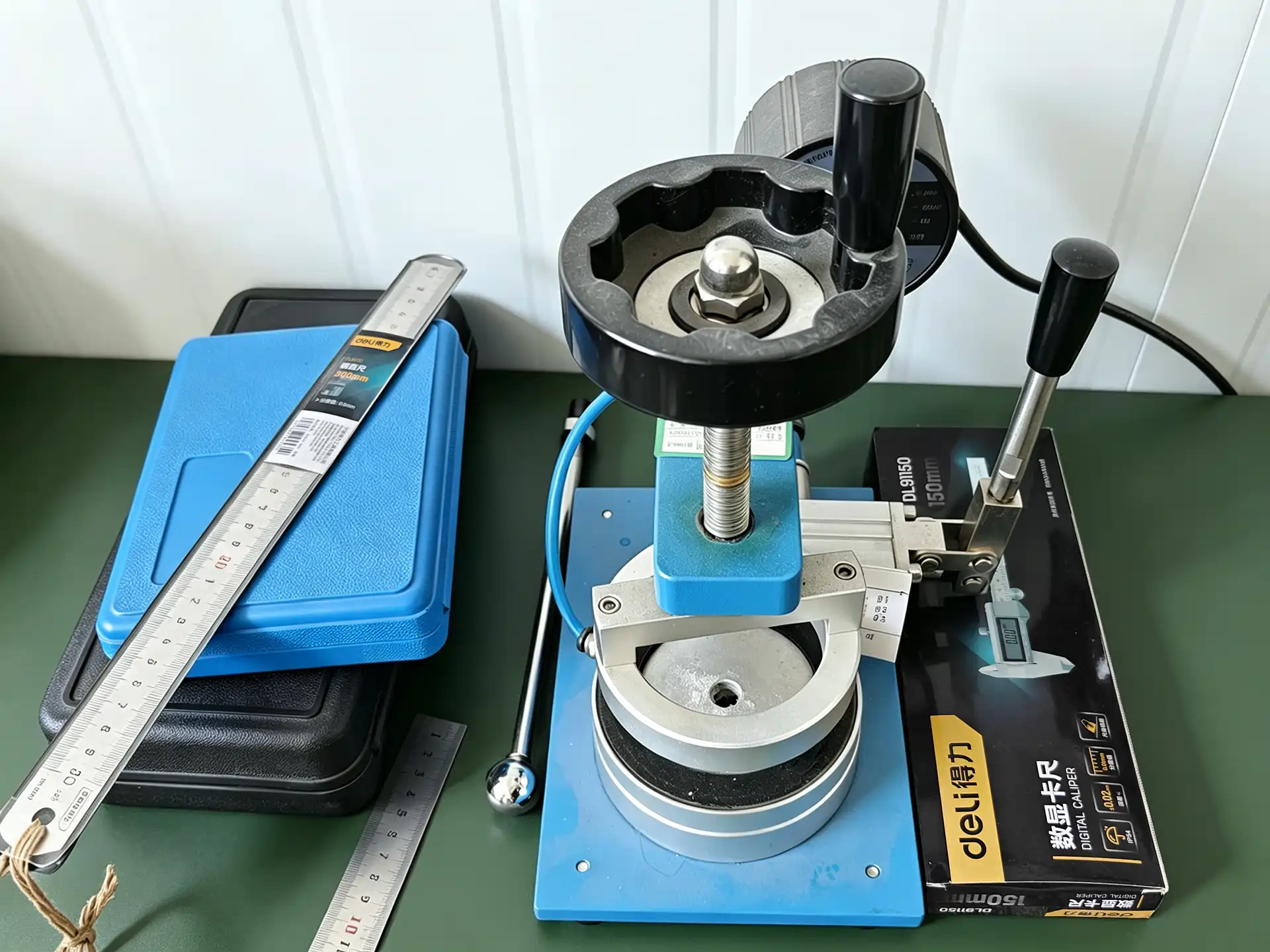
Hydrostatic Pressure Testing
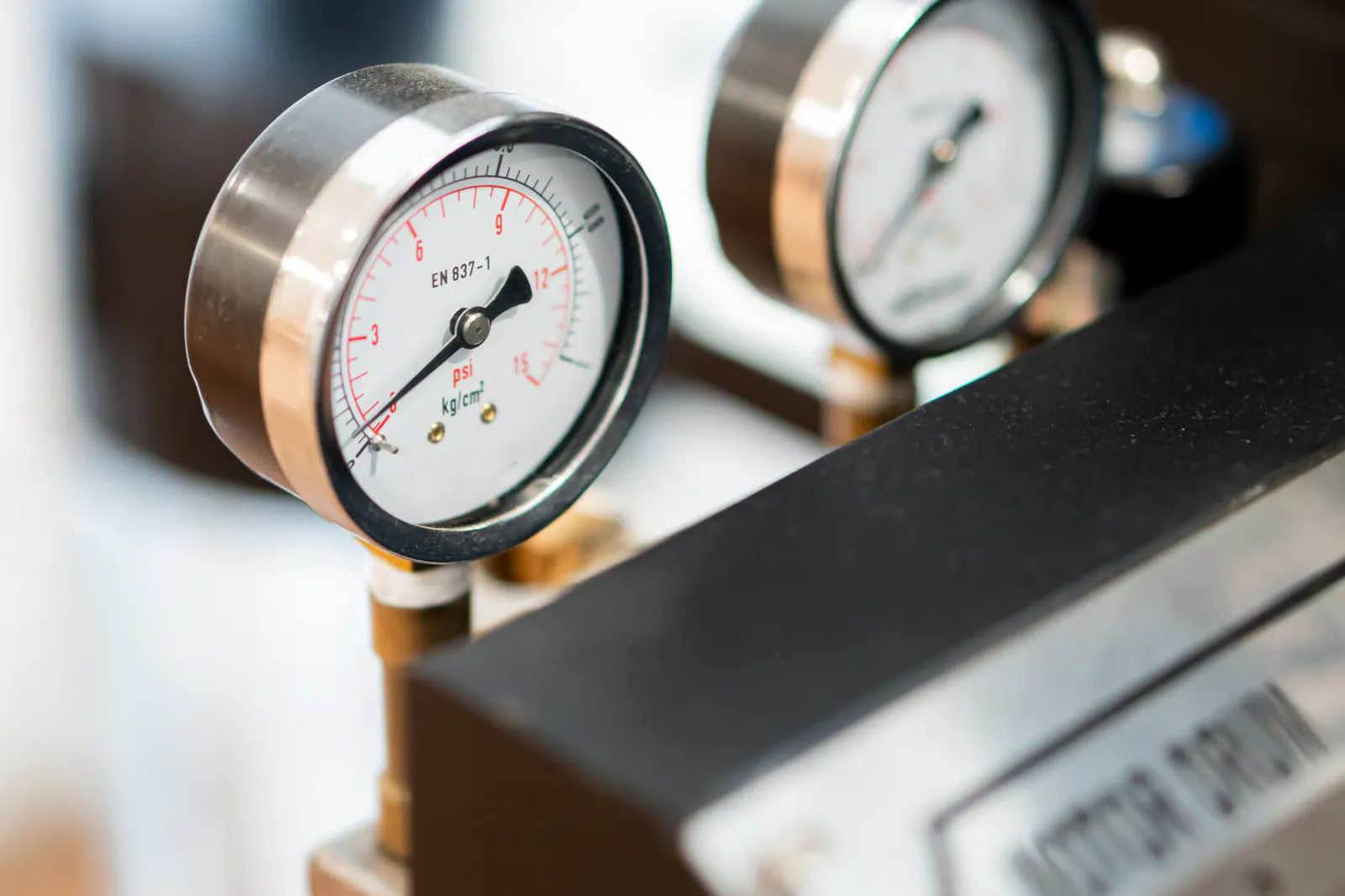
A hydrostatic pressure tester evaluates the resistance of a textile or coated fabric to water penetration. The sample is clamped in the test area and pressure is gradually increased. The recorded value is taken when water penetration occurs under the selected test method.
Flame Performance Testing
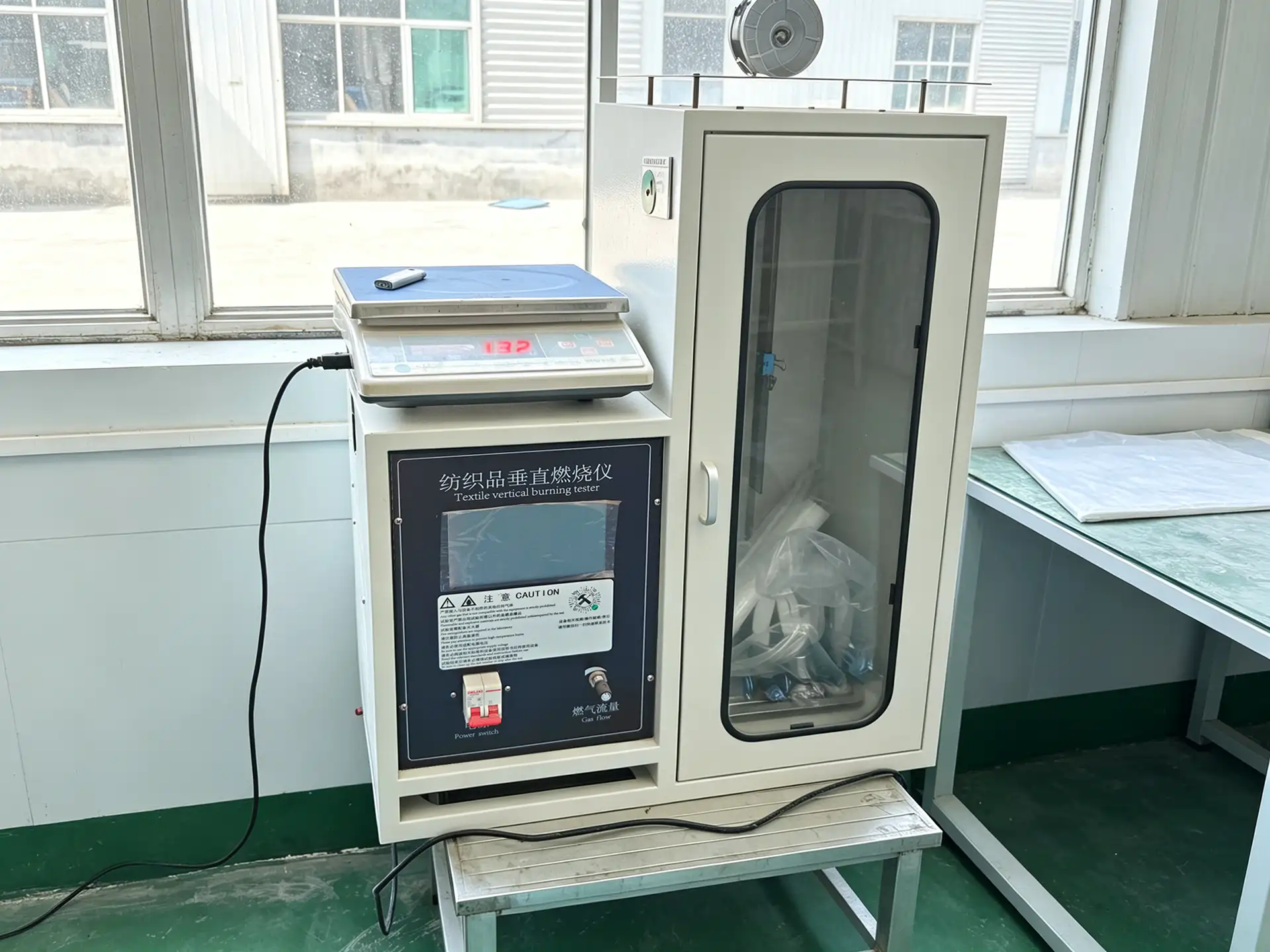
A vertical flame tester measures combustion-related behaviour under defined test conditions. Depending on the applicable requirement, testing may record afterflame time, afterglow time and damaged length. Flame-retardant performance is only stated when the relevant product has been manufactured and tested to the agreed requirement.
UV-Ageing Evaluation
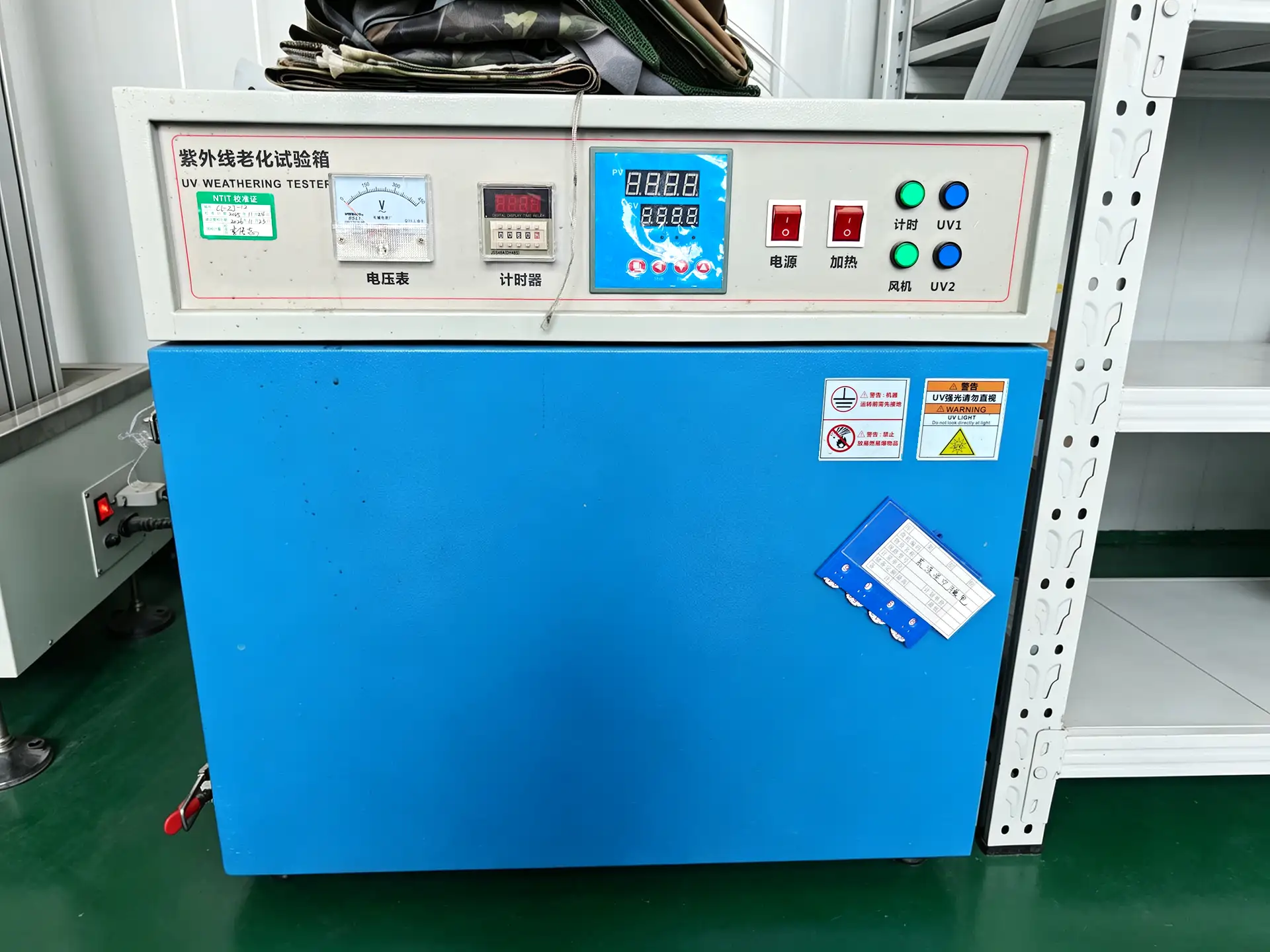
A UV-ageing chamber exposes samples to controlled ultraviolet radiation and temperature conditions. The equipment supports comparative evaluation of changes in appearance, colour or material condition after accelerated exposure. Test duration and acceptance criteria are confirmed according to the product specification.
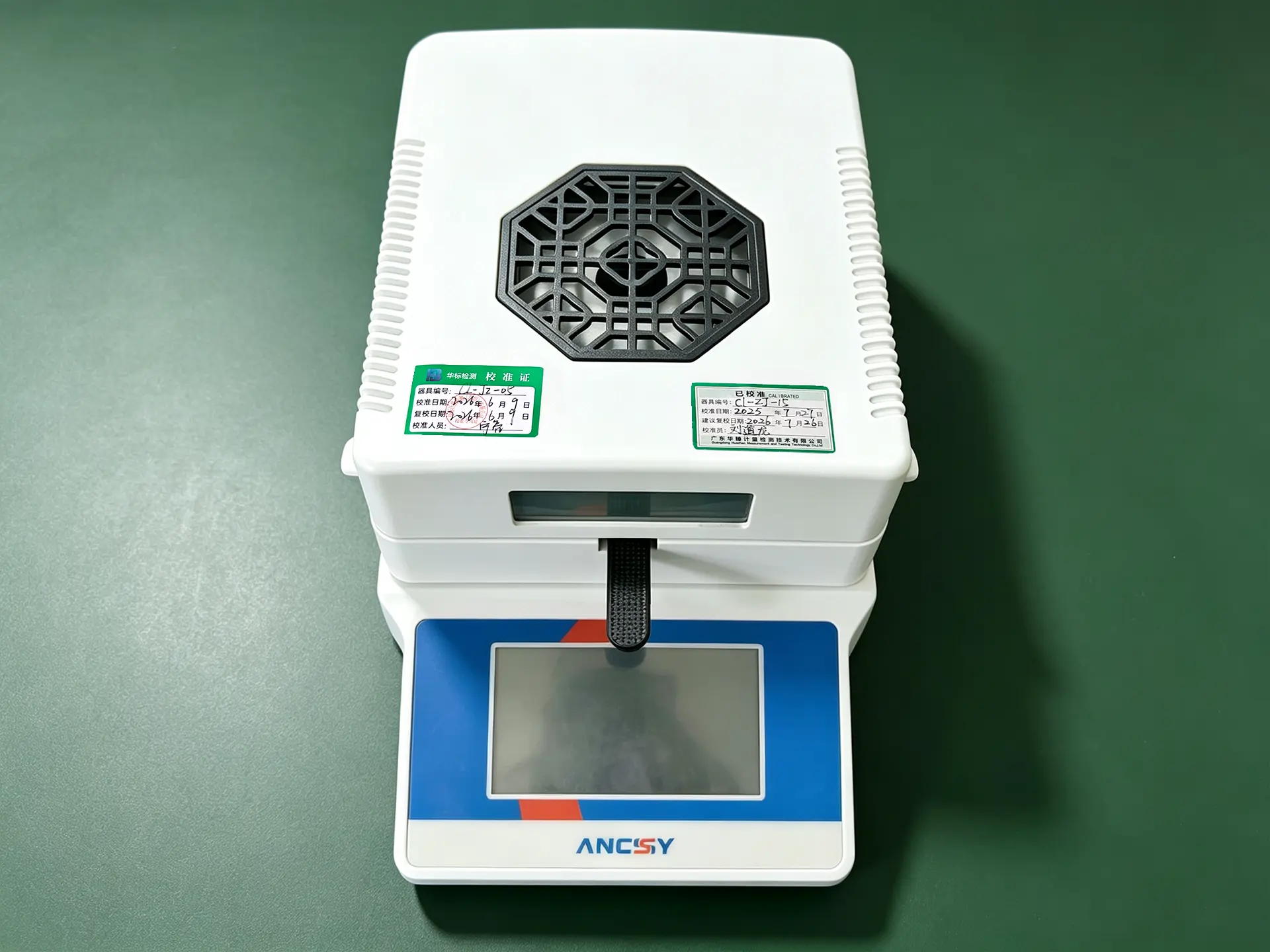
Surface Resistance Testing
A surface resistance tester is used to identify conductive, static-dissipative or insulating surface behaviour. The available instrument follows the measurement principles referenced in ASTM D257. This test is applied only to products or materials where electrical surface behaviour is part of the specification.
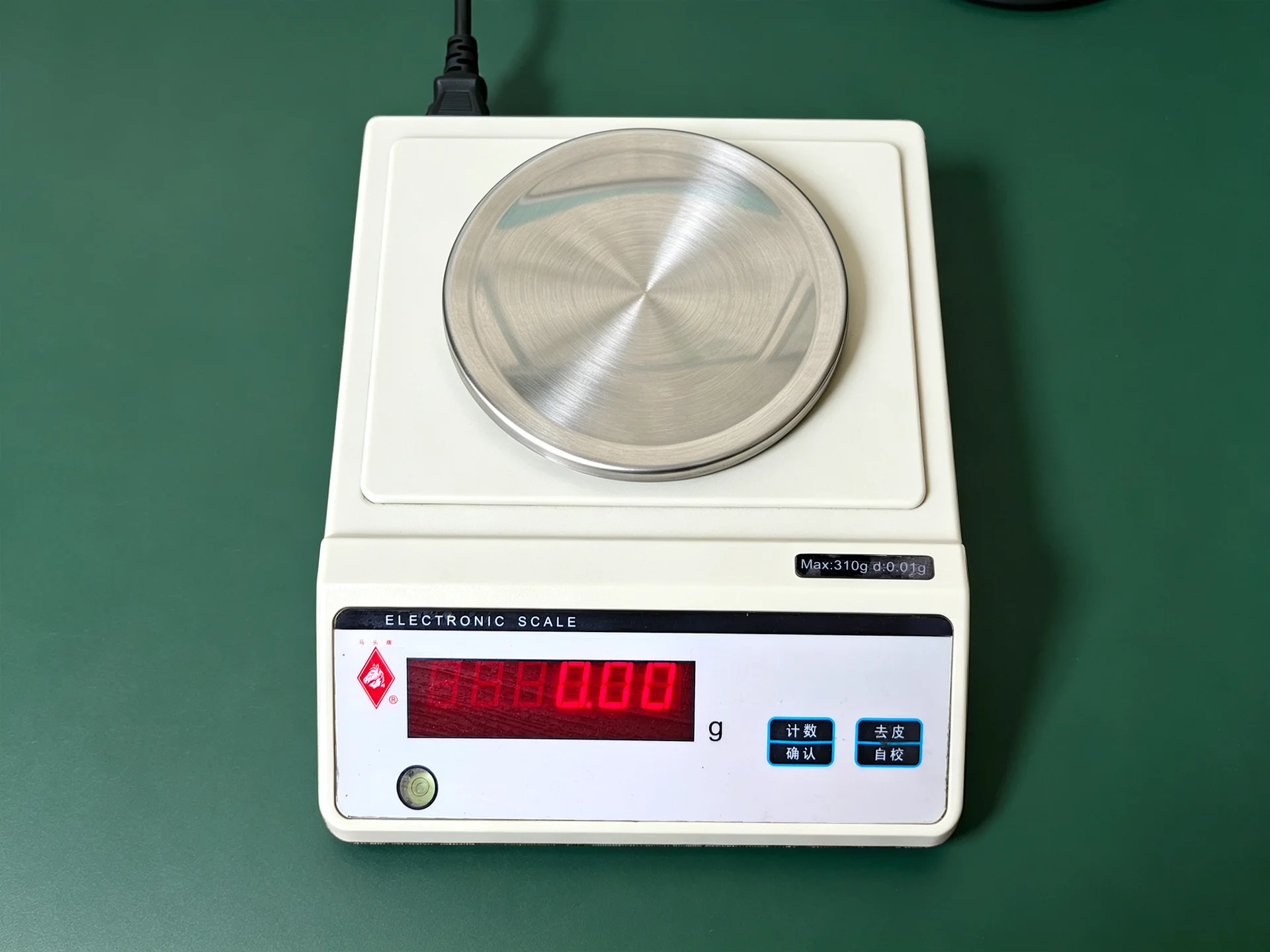
Thickness and Dimensional Inspection
Digital thickness gauges, calipers, steel rulers, tape measures and electronic scales are used for routine dimensional and physical checks. These tools support the verification of fabric thickness, panel dimensions, component sizes, product weight and other specification-controlled measurements.
Tensile and Tear Testing
A computer-controlled universal strength tester measures tensile and tear performance. The sample is secured in the selected grips and pulled under controlled conditions. The system records force and elongation data and can generate a test report. Push-pull force gauges may also be used for selected components, seams, fasteners or connection points.
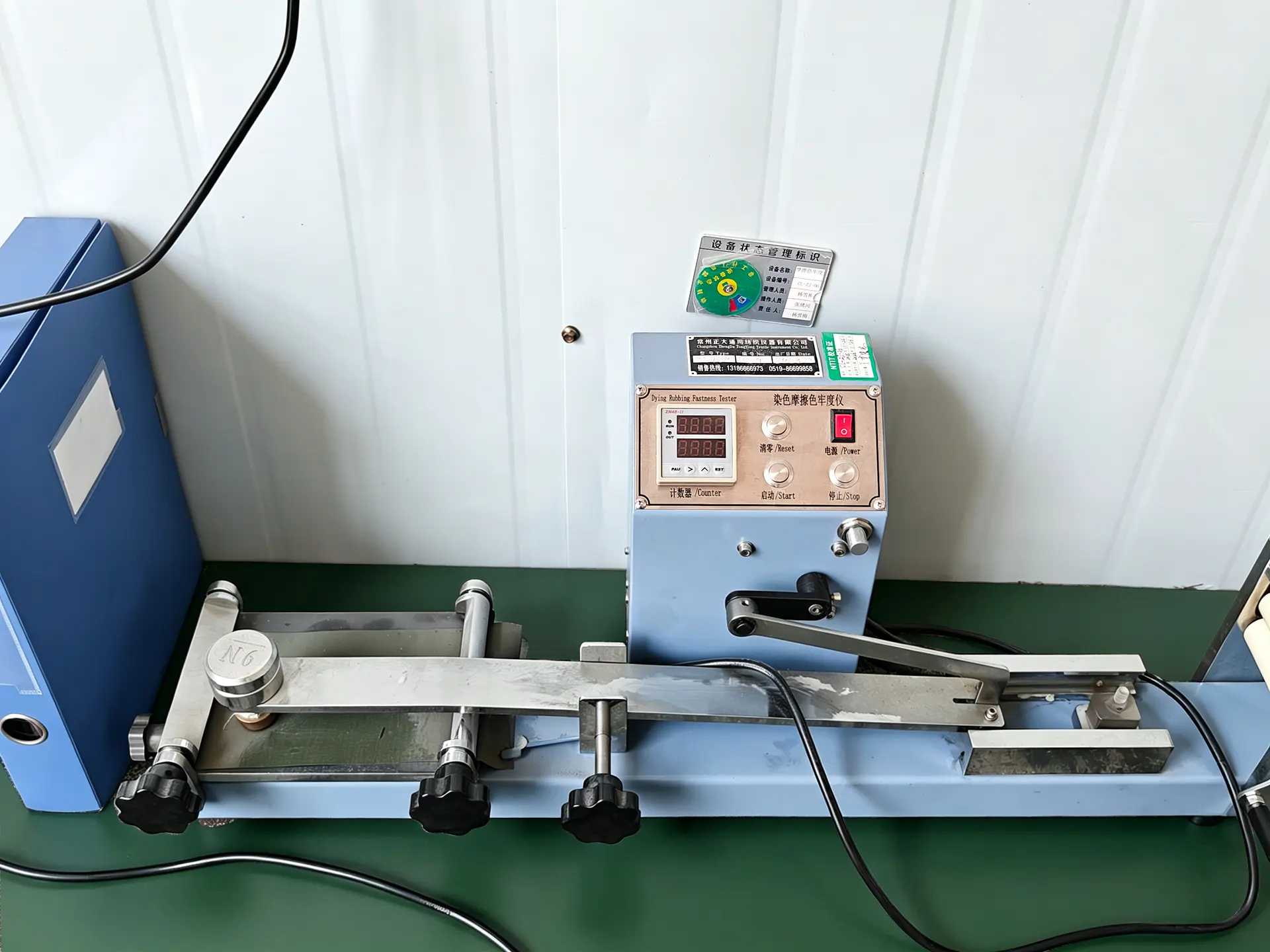
Dry and Wet Rubbing Colourfastness
A crockmeter evaluates the transfer of colour from the tested fabric to a standard rubbing cloth. Both dry and wet rubbing tests can be performed. The stained rubbing cloth is assessed using a grey scale to evaluate colour transfer.
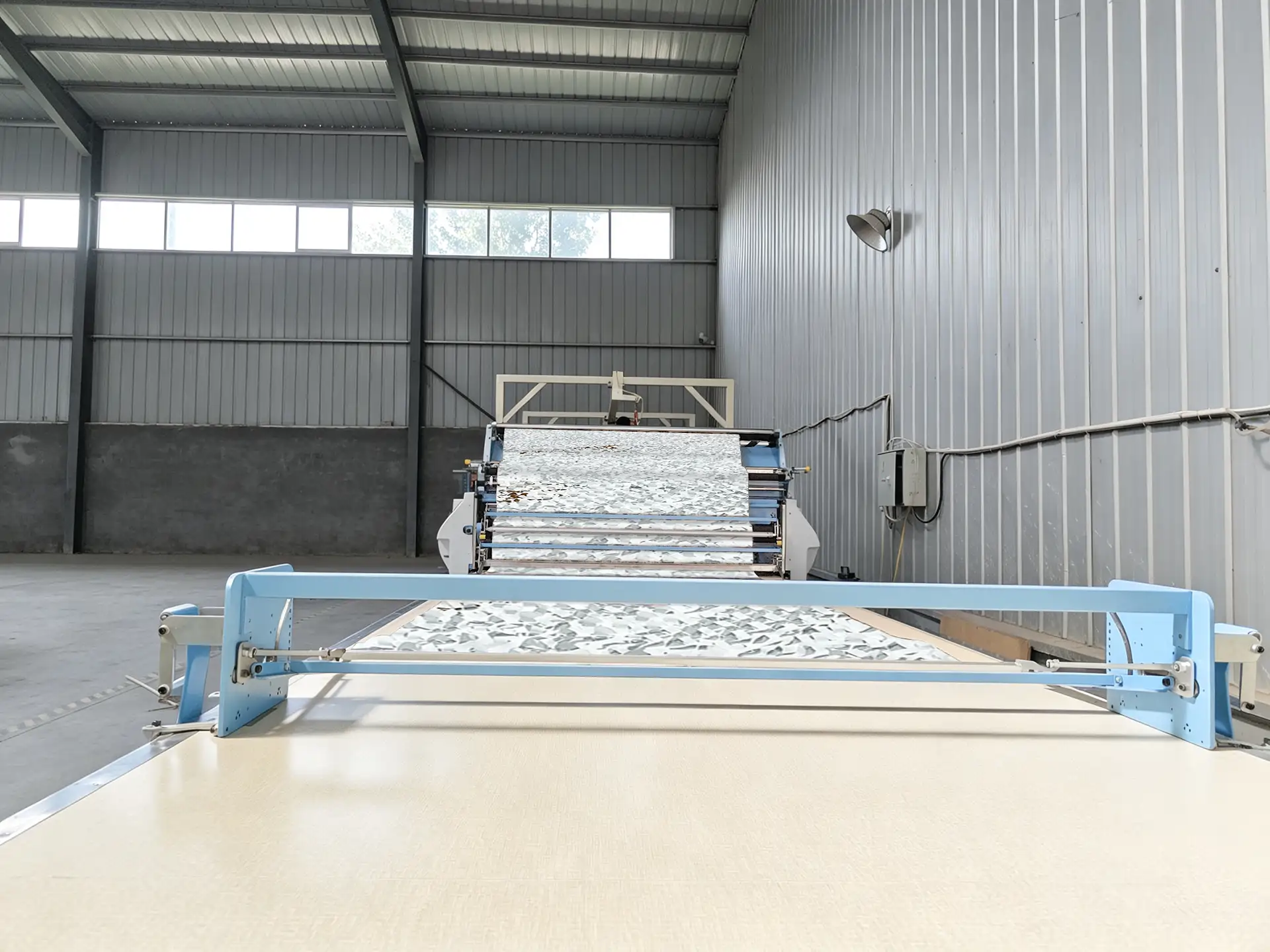
Custom Manufacturing for Project Requirements
Standard products do not fit every installation or operating environment. SHIJIE supports project-based customization across several areas.


Dimensions and Shapes
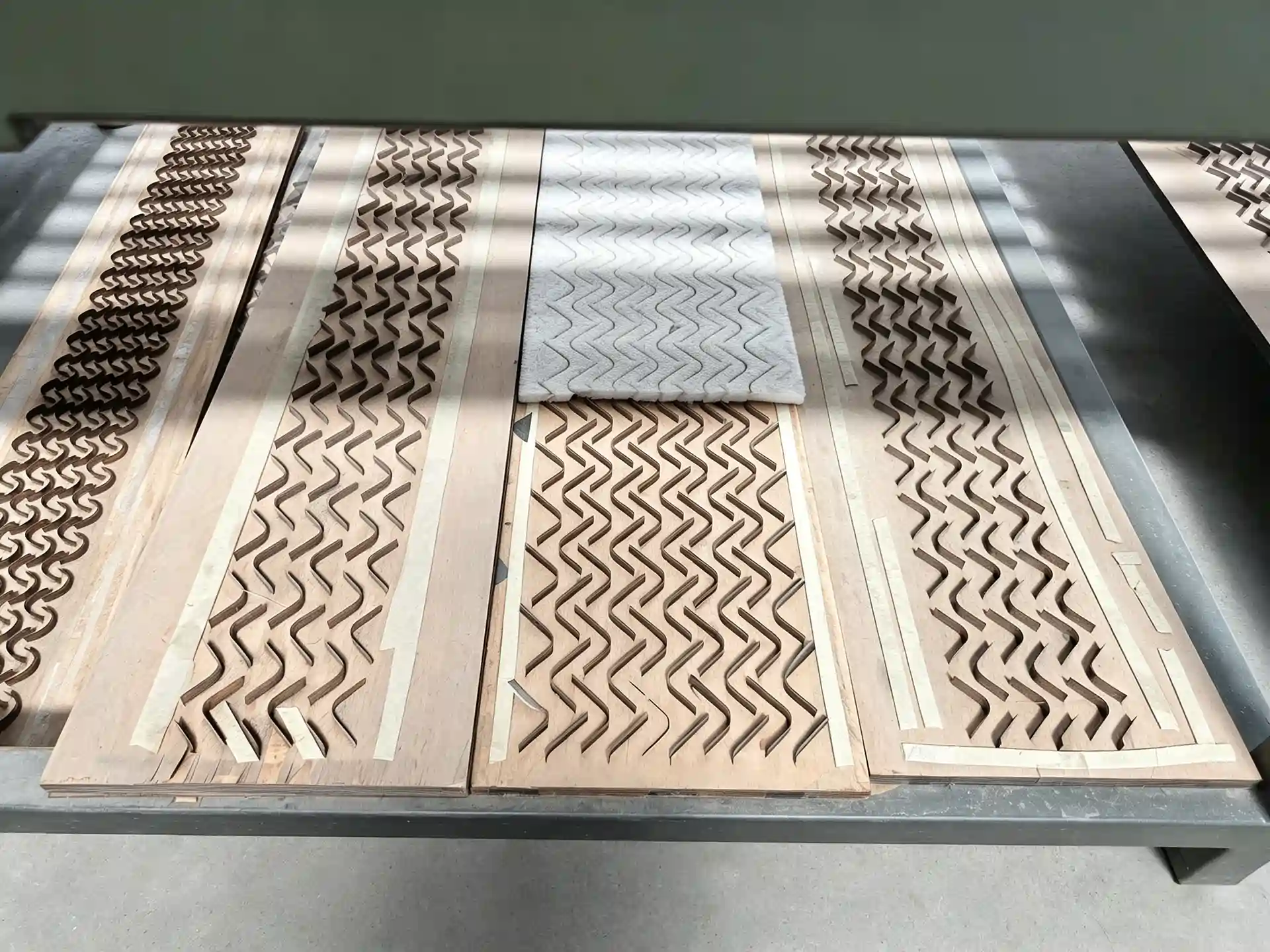
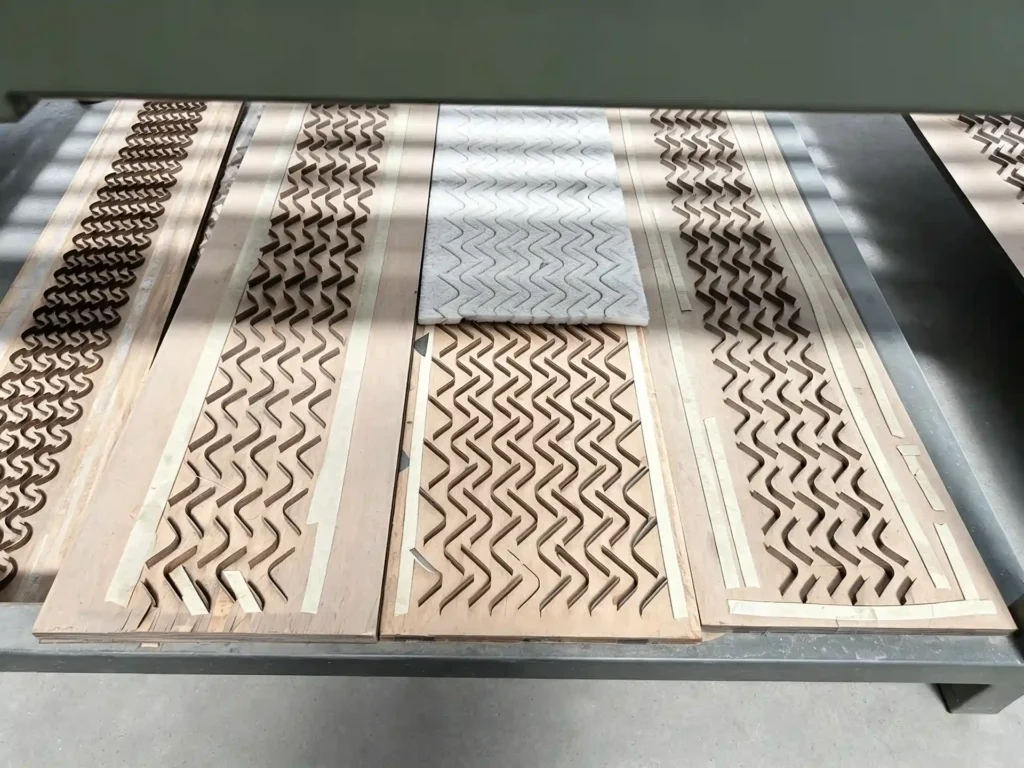
Products can be made in standard rectangles or cut into arcs, trapezoids, curved panels and other irregular shapes. Multiple panels can also be connected for large-area installations.
Colours and Camouflage Patterns
Customers can select from available camouflage patterns and solid colours. Custom colour development may be discussed using a supplied sample or information about the intended background.
Construction and Finishing
Available construction options may include backing mesh, edge webbing, reinforced corners, tie ropes, zippers, hook-and-loop panels, pockets and multi-layer quilting.
Accessories and Packaging
Fixing ropes, buckles, support parts and other accessories can be supplied with the finished product. Individual or bulk export packaging is arranged according to the product, quantity and transportation method.
Answers to common questions about our products and services
Can't find what you're looking for?
Get in touch and we'll respond within one business day.
Can SHIJIE manufacture custom sizes and irregular shapes?
Yes. Custom dimensions, arcs, trapezoids, curved panels, equipment covers and other irregular shapes can be developed according to drawings, samples or measured dimensions.
What information is required for a quotation?
Please provide the product category, intended application, dimensions, required quantity, colour or pattern, material preference, performance requirements and destination country.
Are all products tested using every instrument shown on this page?
No. The test plan depends on the product and approved specification. Relevant inspection items are confirmed before production.
Can you develop a product from a drawing or sample?
Sample and drawing-based development is available for suitable textile products. The structure, materials, sewing method, accessories, order quantity and performance requirements are reviewed before production.
Do you provide product samples?
Sample availability depends on the product category and customization level. Existing samples, colour swatches or newly developed prototypes can be discussed with the sales team.
Shandong Shijie New Materials Technology Co., Ltd. — A manufacturer of concealment, shade, protective cover, functional camouflage fabric, tactical-support gear, and outdoor textile solutions.