info@sjxincai.com

+86 199 5434 1252

+86 155 5335 8339

    • en_USEN
      • zh_CNZH
      • es_ESES
      • arAR
      • pt_BRPT
      • ru_RURU
      • de_DEDE
      • fr_FRFR
      • id_IDID
      • tr_TRTR
      • ko_KRKO
      • jaJA
      • en_GBEN_GB
    Shijie New Materials
    • Contact Ussales@sjxincai.com
    • Request a QuoteGet a fast quotation
    MENU
    • Home
    • Products
      • Concealment & Camouflage Nets
        • Shijie CamoNet Single-Layer
        • Shijie CamoNet Lite 150D
        • Shijie CamoNet 3D 150D
        • Shijie CamoNet 3D 210D
        • Shijie CamoNet 3D 420D
        • Shijie CamoNet Dual 420D
        • Shijie CamoNet Pro 420D
        • Shijie CamoNet Multi-Band Y / W / G
        • Shijie Anti-Drone Net
    • Project
    • Blog
    • About Us
      • Manufacturing Capabilities
      • Quality Control
      • Order Sample
    • Contact Us

    Anti-Drone Net
    Category

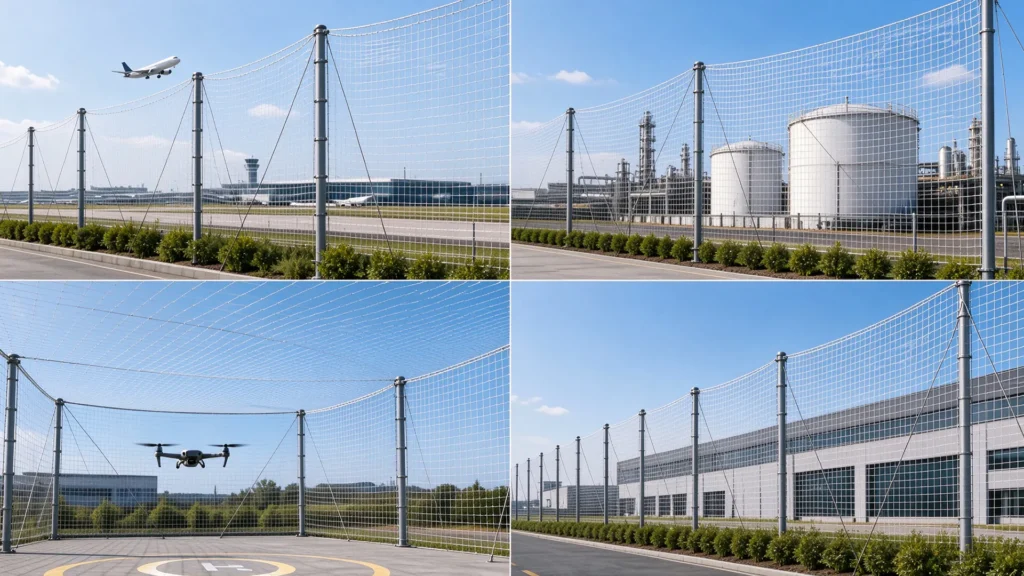
    Folded anti-drone net panels beside an open mesh sample

    What Is A Freely Assembled Anti-Drone Net?

    A freely assembled anti-drone net is a passive physical barrier planned around separate net panels that can be connected in agreed configurations. The modular approach allows buyers to specify coverage, panel dimensions, and replacement sections for a particular site.

    The net itself needs no electrical power. It is intended to form a physical boundary, while the complete installation depends on suitable supports, connections, and a defined performance requirement.

    At SHIJIE, we offer custom nylon and polyester netting for project buyers. Understanding what “freely assembled” means helps you distinguish a net panel from a complete modular system and prepare an enquiry that leads to a useful quotation.
    Folded anti-drone net panels beside an open mesh sample

    What Does “Freely Assembled” Mean?

    The phrase describes flexibility in panel arrangement. Instead of treating the covering as one permanent piece, a project can use separate sections with agreed dimensions and compatible connection details.

    This can support installation around a defined layout, replacement of individual sections, and organised packing between uses. The extent of that flexibility depends on the system design.

    It is useful to distinguish three terms:

    TermWhat It Describes
    Custom-sized netMaterial or a panel made to requested dimensions
    Modular panel arrangementSeparate sections planned to connect within an approved layout
    Complete barrier systemNetting, edges, connectors, supports, and other specified components working together

    A custom-sized panel is not automatically a reconfigurable system. A complete modular order needs a clear connection design and a defined supply list.

    For buyers, “freely assembled” is therefore a project description rather than a universal technical rating. Confirm what can be changed, which parts are interchangeable, and which configurations require further review.

    How Does A Passive Anti-Drone Net Work?

    A passive net places a physical mesh boundary between an area and an approaching object. Contact with the installed net may obstruct movement or entangle components, depending on the object and system configuration.

    That is different from detecting a drone or affecting its communications. The net does not independently identify aircraft, track movement, or generate electronic alerts.

    The installed boundary is also important. A net only serves the surfaces and openings included in its design. It should not be described as protecting an entire airspace simply because some panels are present.

    A freely assembled anti-drone net can be considered as one part of a wider site plan. Its role and any required performance should be defined separately from monitoring, access control, or other equipment.

    Our SHIJIE Anti-Drone Net page describes the available material and panel options for this type of enquiry.

    What Is The Net Made Of?

    SHIJIE offers nylon, also called polyamide, and polyester. Both are available for discussion in knotted or knotless constructions with reinforced edges.

    The fibre name is one part of the specification. Cord structure, intersections, edge treatment, and finishing also affect the finished panel.

    Nylon Netting

    Nylon is an option to review when elasticity and impact-related material behaviour are priorities. A representative sample helps buyers assess its feel, flexibility, and construction.

    Any required breaking force, extension, or impact result should refer to the selected product. The general properties of nylon do not establish the rating of every nylon net.

    Polyester Netting

    Polyester is another option for projects that need to consider outdoor exposure, handling, and cost. Buyers should specify the required weathering performance and ask what evidence is available.

    Do not assume that a polyester label guarantees a fixed outdoor lifespan. NIST research on PET under ultraviolet exposure shows that UV radiation, humidity, and temperature can affect material degradation under the studied conditions. It does not establish a service life for a finished drone barrier.

    For outdoor supply, give the manufacturer the expected exposure conditions and maintenance plan before choosing the final construction.

    What Specifications Can Buyers Discuss With SHIJIE?

    The following listed options provide a starting point for a quotation. The selected combination should be confirmed against the application and approved sample.

    ItemAvailable Options Or Supply Description
    Product typePassive physical anti-drone barrier netting
    MaterialNylon/polyamide or polyester
    Mesh size5 × 5 cm, 10 × 10 cm, or 15 × 15 cm
    Cord diameter0.5 mm or 1 mm; custom options by enquiry
    ConstructionKnotted or knotless
    Edge finishingReinforced edge binding
    ColourMilitary green
    Panel dimensionsCustom sizes
    Electrical power for the netNot required

    These are manufacturing options, not a universal recommendation for a particular drone or impact condition. Mesh size and cord diameter alone do not establish interception performance.

    Confirm how the mesh is measured. A clear opening and another nominal mesh dimension may not describe the same size. Finished dimensions and tolerances should use the same definition throughout the order documents.
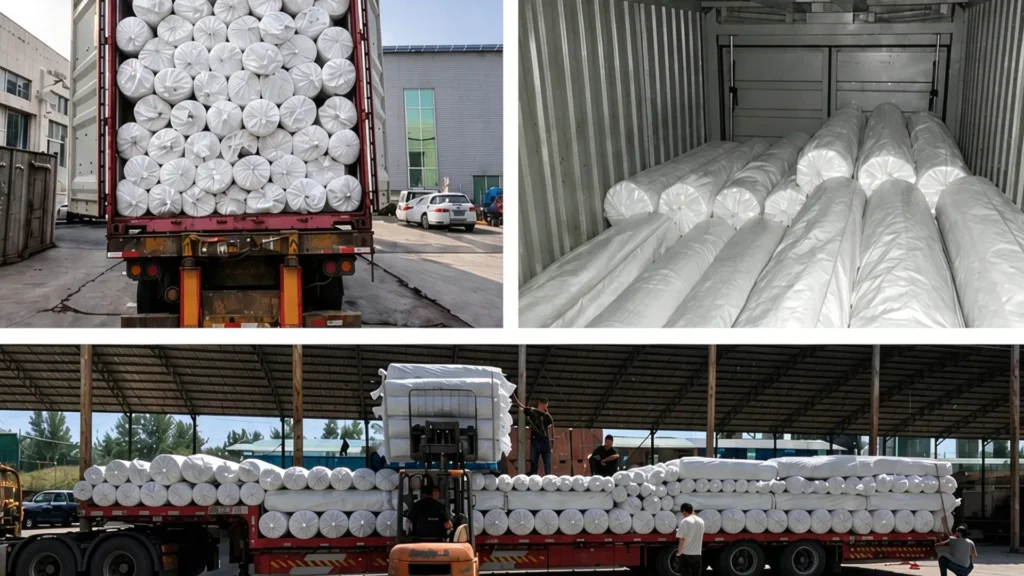
    Labelled nylon and polyester anti-drone net samples

    Knotted And Knotless Netting: What Is The Difference?

    The terms describe how the mesh intersections are formed. Buyers can compare the two constructions through physical samples and relevant product data.

    Knotted netting has visible knots at its intersections. Knotless netting uses a different joined structure without those same individual knots. Neither label, by itself, proves a higher complete-system rating.

    Useful comparison points include mesh consistency, weight, flexibility, edge integration, and behaviour under the specified tests. Also check how the panel will connect to neighbouring sections.

    Avoid choosing solely from a close-up image. Two nets can look similar while differing in cord construction, material, dimensions, or finished reinforcement.

    What Are The Benefits Of A Modular Design?

    A freely assembled anti-drone net can offer practical supply and maintenance benefits when its panels and connections are planned together.

    Coverage That Follows The Project Layout

    Different panel dimensions can be specified for the approved coverage plan. This gives the buyer more control over the delivered pieces and reduces reliance on unplanned alterations after delivery.

    The layout should also account for access and operational needs. Modular construction is most useful when those requirements are addressed before production.

    More Manageable Handling

    Separate panels can be packed and identified individually where the order specifies that arrangement. Labels can connect each piece to a drawing or panel schedule.

    This helps receiving teams check quantities and lets installation teams locate the correct section. It can also simplify stock control for projects delivered in stages.

    Replacement Of Individual Sections

    A system designed for sectional replacement may allow one damaged panel to be exchanged without replacing every panel. The replacement must match the approved dimensions, edges, material, and connection details.

    Keep a record of the original specification. An apparently similar net should not be assumed to be an equivalent spare.

    Clearer Repeat Orders

    Panel references and retained samples give future purchases a defined starting point. This is useful for distributors, contractors, and operators who need consistent replacement supplies.

    Reusing the same panel specification does not remove the need to review a new site or support arrangement. Product consistency and installation suitability are separate questions.
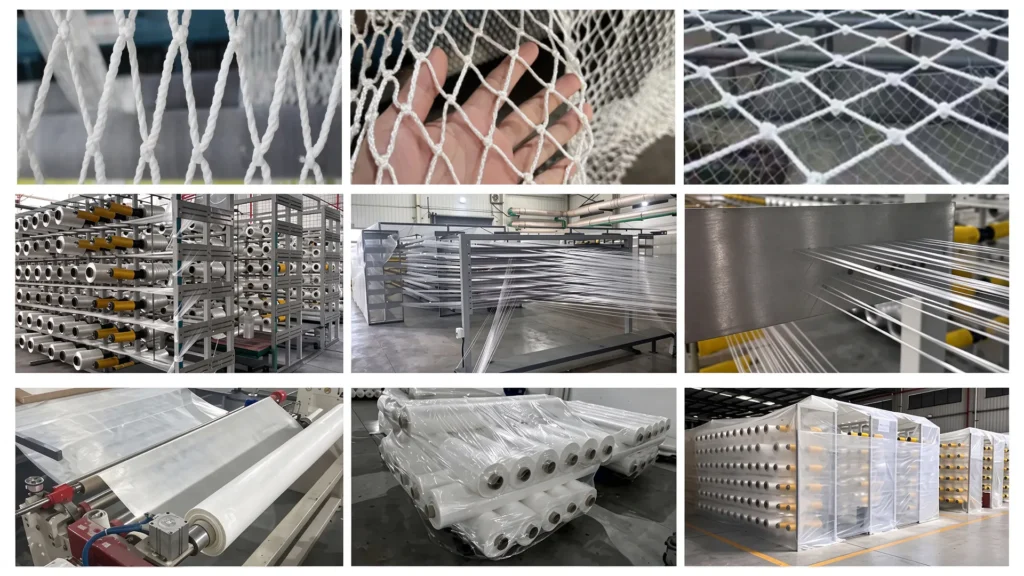
    Individually labelled net panels prepared for packing

    Where Can This Type Of Netting Be Considered?

    The application should determine the specification. Common enquiry categories include controlled facilities, infrastructure projects, event venues, and drone-testing enclosures.

    ApplicationMain Buyer Questions
    Drone-testing or training enclosureWhat boundary, access arrangements, and verified containment requirements apply?
    Controlled facilityHow does the net integrate with existing structures and maintenance access?
    Infrastructure projectWhat exposure, service duration, and supporting-system requirements must be addressed?
    Temporary event venueHow will panels be handled, identified, stored, and assessed for the proposed structure?

    These categories describe possible project discussions. They do not establish that one catalogue configuration is suitable for every site in the category.

    The netting order should identify the intended role and relevant acceptance criteria. A complete site assessment also needs to cover the supporting installation and its operation.

    Is An Anti-Drone Net The Same As A Camouflage Net?

    They serve different primary functions. An anti-drone net is specified as a physical barrier. A camouflage net changes the visual appearance of an object or space.

    Our explanation of camouflage net structure and uses describes the visual-screening product. Similar colours or mesh-like appearances do not make the two products interchangeable.

    A project may discuss both a barrier and a separate visual screen. In that case, assess the combined assembly, including its loading, access, and handling requirements.

    The SHIJIE camouflage net range provides options for the screening function. Those options should not be used as evidence of a drone-barrier rating.

    What Should Buyers Confirm Before Ordering?

    Begin with the purpose and proposed layout. Then agree on the material, mesh definition, panel dimensions, and finished construction.

    The supply scope deserves particular attention. A quotation for a freely assembled anti-drone net may concern custom panels rather than an entire frame-and-connector package. Ask for an itemised list of what is included.

    Before approval, review:

    • A representative sample: The intended material, intersections, and reinforced edge.
    • A panel schedule: Finished dimensions, quantities, identification, and packing requirements.
    • Connection requirements: The approved joining details and responsibility for additional components.
    • Performance evidence: Relevant reports and acceptance criteria for the proposed configuration.
    • Service conditions: Exposure, inspection access, care, and replacement needs.

    A material strength result and a complete barrier result are different forms of evidence. Check exactly which component or assembly was tested.

    For a related visual-screening order, our guide to choosing and using camouflage netting explains further specification and care considerations. Keep the two product functions clear when comparing documents.

    How SHIJIE Supports Custom Netting Enquiries

    At SHIJIE, we help buyers define the netting supply around their application. Shandong Shijie New Materials Technology Co., Ltd. offers custom panel sizes, material options, and specified construction details.

    Our custom textile and mesh production supports project discussions where buyers need more than a general product name. A drawing, sample, or panel schedule helps us review the proposed order and prepare a comparable quotation.

    Send your intended use, material preference, mesh size and measurement definition, cord diameter, construction, dimensions, quantity, and destination. Include any required tests, packing details, and spare-panel quantities.

    We can then confirm available options and identify the sample information needed before order approval. Frames, connectors, installation services, and performance documentation should be confirmed individually in the agreed supply scope.

    SHIJIE anti-drone net showing mesh and reinforced edge

    Frequently Asked Questions

    Does A Freely Assembled Anti-Drone Net Need Electricity?

    The passive net itself does not require electricity or generate radio-frequency interference. Separate monitoring or other equipment has its own requirements.

    Is It A Net-Launching Device?

    The product discussed here is netting for a planned physical barrier. It is not a net-launching device, and no launcher is implied in the supply description.

    Can Every Custom Panel Be Reassembled In Any Shape?

    No. Reconfiguration depends on compatible connections, panel dimensions, and suitable supports. Review the proposed arrangement before use.

    Is Nylon Better Than Polyester?

    There is no universal answer from the fibre name alone. Compare the proposed construction, service conditions, required tests, and finished sample.

    Can A Damaged Section Be Replaced?

    Sectional replacement can be included in the modular design. Specify compatible spares and retain the approved panel details for future orders.

    Define The Product Around Its Intended Role

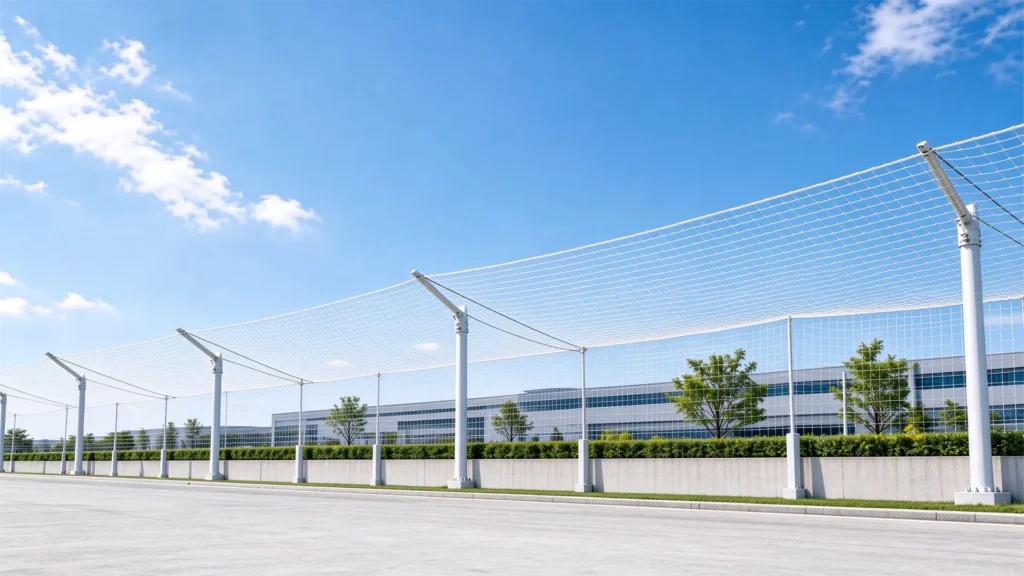
    A freely assembled anti-drone net combines a passive physical-barrier concept with project-specific panel planning. Its practical value comes from suitable materials, compatible components, manageable handling, and clear replacement arrangements.

    Learn more about SHIJIE and request a custom netting quotation with your application and panel requirements. An approved sample and a complete specification provide a useful basis for a consistent supply programme.

    November 18, 2026 Comments Off on What Is A Freely Assembled Anti-Drone Net? Anti-Drone Net

    Read more

    Labelled anti-drone net panels prepared for an approved assembly layout

    How To Build A Freely Assembled Anti-Drone Net

    To build a freely assembled anti-drone net, start with an approved layout, divide the required coverage into manageable panels, and specify compatible edges, connections, and supports. Assemble the selected components according to the project drawings, then inspect the complete installation before use.

    The benefit of a modular approach is flexibility. Separate panels can be identified, transported, connected, and replaced as the project requires. It can also make a large order easier to pack and manage.

    At SHIJIE, we supply custom netting that can form part of a project-specific barrier. This guide explains how buyers can turn a modular concept into a clear panel specification and assembly plan.

    Labelled anti-drone net panels prepared for an approved assembly layout

    What Does A Freely Assembled Anti-Drone Net Mean?

    Here, “freely assembled” means a system planned around separate net panels that can be combined in agreed configurations. It does not mean that any panel, clip, or support can be mixed without review.

    The panels need compatible dimensions and connection details. Their supporting structure must suit the complete installation, including its expected loads and outdoor conditions.

    A passive net works through physical contact rather than radio-frequency interference. The net fabric itself requires no electrical power. Any separate monitoring or access-control equipment has its own requirements.

    The SHIJIE Anti-Drone Net is offered in nylon or polyester, with knotted or knotless construction, reinforced edges, and custom panel dimensions. These are supply options for developing a project specification, not a universal performance rating.

    Step 1: Define The Purpose And Coverage

    Begin with a clear application brief. A drone-testing enclosure, a controlled facility, and a temporary event structure can have different operating and access needs.

    Provide a measured drawing of the proposed area. Mark the boundaries, existing supports, access points, and any restrictions on installation. Include the intended duration and whether the net will be moved or reassembled.

    The project designer should establish which surfaces need netting and how the supports, panels, and openings work together. A top-view area measurement alone does not describe a complete enclosure.

    Also define what the system must demonstrate. Material dimensions, finished construction, and any required mechanical or barrier performance should have separate acceptance criteria.

    This gives the manufacturer a useful starting point. It also prevents a quotation for loose netting from being mistaken for a complete engineered installation.

    Step 2: Create A Modular Panel Schedule

    A panel schedule turns the layout into an orderable list. Give each panel a reference and record its finished dimensions, quantity, orientation where relevant, and edge requirements.

    Use repeated panel sizes where the layout allows. Repetition can simplify packing and spare-part planning. Custom panels may still be needed around approved openings or irregular sections.

    Schedule ItemInformation To Record
    Panel referenceA unique identifier matching the layout drawing
    Finished sizeAgreed width, length, and dimensional tolerance
    MaterialNylon or polyester, with the selected construction
    MeshNominal size and agreed measurement definition
    EdgesReinforcement and connection requirements
    QuantityInstalled panels and any agreed spares
    PackingLabel, bag or bundle reference, and handling requirements

    Choose panel sizes that suit the planned handling and storage arrangements. The largest possible panel is not automatically the most practical choice.

    If the layout changes later, revise the schedule and connection drawing together. A modular design stays useful when changes are controlled rather than improvised.

    Step 3: Specify The Net Material And Construction

    The material choice should reflect the project’s performance requirements and exposure conditions. SHIJIE’s listed options provide a starting point for sample discussion.

    FeatureListed SHIJIE OptionsWhat To Confirm Before Ordering
    FibreNylon, also called polyamide, or polyesterFinished material specification and relevant test data
    Mesh size5 × 5 cm, 10 × 10 cm, or 15 × 15 cmHow the opening is measured and its tolerance
    Cord diameter0.5 mm or 1 mm; custom options by enquiryDiameter measurement and required mechanical properties
    ConstructionKnotted or knotlessFinished sample, handling, and connection details
    PerimeterReinforced edge finishingExact reinforcement and attachment specification
    ColourMilitary greenApproved colour and any project-specific requirement
    Panel dimensionsCustom sizesFinished dimensions and panel identification

    These figures describe available manufacturing options. They do not establish which drone, impact, or installed load a particular assembly can withstand.

    Nylon Or Polyester?

    Nylon is worth discussing when flexibility and impact-related material behaviour are priorities. Polyester is another option for projects that need to address outdoor exposure and cost.

    Ask for information about the actual supplied construction. Fibre names alone do not prove UV resistance, weathering life, breaking force, or complete-system performance.

    Include the expected sun, moisture, temperature, and storage conditions in the enquiry. Any protective finish or exposure requirement should be agreed explicitly.

    Knotted Or Knotless?

    Both constructions are available. Compare a representative sample for mesh consistency, handling, edge integration, and the required mechanical properties.

    A close-up photograph can show the basic structure. It cannot establish the strength of every intersection or the behaviour of the complete panel.

    Also clarify mesh terminology. A stated size may describe a clear opening or a different reference dimension. Use the same definition on the drawing, quotation, and inspection record.

    Knotted and knotless anti-drone net samples shown side by side

    Step 4: Agree On Connections And Supports

    Connections are central to a freely assembled anti-drone net. A well-made panel still needs an agreed method of joining to the next panel and attaching to its support.

    Ask the project designer and supplier to define the edge arrangement, joining components, attachment locations, and replacement method. Confirm how the finished connections will be inspected.

    Our listed netting options include reinforced edges. A connector kit or supporting frame requires separate confirmation. Establish what is included in the netting quotation and what must be supplied separately.

    Do not assume that ordinary cable ties, decorative clips, or an existing fence are suitable structural connections. The selected components must match the approved system design.

    For component testing, ISO 2307:2019 describes methods for determining certain physical and mechanical properties of fibre ropes. Its relevance must be checked for the particular component. A rope-test result is not certification of the complete barrier.

    Review The Full Assembly

    The support structure, anchors, connectors, edges, and mesh form a connected system. A stronger cord does not correct an unsuitable support or weak connection.

    Outdoor mesh can still place loads on a frame. If another covering is added, the designer should review the combined assembly rather than assuming the original support requirements remain adequate.

    Confirm these details before production. It is easier to make the panel edges match an approved connection design than to modify finished panels on site.

    Reinforced edge on an anti-drone net panel

    Step 5: Approve A Representative Sample

    Review a sample that represents the intended material, mesh, cord, and edge finish. Where the connection design matters, include a representative panel joint in the approval process.

    Check dimensions using the agreed measurement condition. Review the reinforcement, intersections, loose ends, labels, and packing method.

    Record which parts of the sample are approved and which remain subject to further testing. A visual sample approval and a verified mechanical rating are different decisions.

    If the project requires an impact or containment rating, define the professional test procedure and acceptance criteria for the relevant configuration. Do not derive that rating from mesh size or cord diameter alone.

    At this stage, freeze the approved specification or issue a controlled revision. Production and site teams should work from the same version.

    Step 6: Assemble According To The Approved Layout

    Before assembly, check the delivery against the panel schedule. Identify each panel and separate any item that does not match the approved description.

    Prepare the supporting structure and connection components according to the project instructions. The installation team should use the specified access equipment and assembly procedure.

    Position and connect panels in the sequence shown on the drawing. Confirm panel orientation, joining details, and designated openings as the work progresses.

    Do not stretch a panel simply to compensate for an incorrect measurement. If a connection does not fit, stop and resolve the mismatch against the approved drawing.

    A freely assembled anti-drone net should remain traceable after installation. Keep panel references readable or record their positions on the as-built layout. This makes inspection and later replacement easier.

    Any change to the configuration should be reviewed before use. The ability to disconnect panels does not establish that every new arrangement has the same performance.

    Step 7: Inspect And Plan For Replacement

    Complete an installation inspection before handing over the system. Compare the assembled layout with the approved drawing and record any agreed changes.

    The inspection should cover:

    • Correct panel identities and positions.
    • Finished joints and attachment components.
    • Mesh, edges, and connectors without visible damage.
    • Approved access arrangements and openings.
    • Supporting structure and installation checks required by the designer.
    • Required documentation and acceptance records.

    An assembly inspection confirms that the installation matches its instructions. It does not replace any separately required performance testing.

    Set inspection intervals for the actual service conditions. Check again after an impact, significant weather event, relocation, or other event identified in the maintenance plan.

    Keep replacement panels to the approved specification. Record repairs and substitutions so that an apparently similar spare does not introduce a different material or connection detail.

    Technician checking anti-drone net panels against a project drawing

    Can The System Include Camouflage Netting?

    An anti-drone barrier and a camouflage screen have different functions. One is specified as a physical barrier; the other changes visual appearance.

    Our explanation of camouflage net structure and uses describes the visual-screening role. The SHIJIE camouflage net range provides related material and construction options.

    If a project needs both functions, review them as a combined installation. Confirm visibility, access, handling, and the effect of the additional material on the supports. A camouflage layer does not automatically add a verified drone-barrier rating.

    For the separate screening layer, our guide to choosing and using camouflage netting offers further buying and care considerations.

    What Should You Send SHIJIE For A Quotation?

    At SHIJIE, we can review a freely assembled anti-drone net enquiry around the required panels and material specification. Shandong Shijie New Materials Technology Co., Ltd. supports custom netting and related textile products for project buyers.

    Send the layout or panel schedule, intended application, preferred fibre, mesh definition, cord diameter, construction, quantity, exposure conditions, and destination. Include edge details and any approved connection drawing.

    Also identify the required tests, acceptance criteria, packing, and spare-panel needs. State whether you are buying net panels only or requesting discussion of additional components.

    Our textile and mesh manufacturing capabilities provide a basis for custom product discussion. Available hardware, installation services, and test evidence must be confirmed in the quotation rather than assumed to be part of the standard net supply.

    Frequently Asked Questions

    Can The Panels Be Reassembled Into Another Shape?

    Custom panels can support modular planning. A new arrangement still needs compatible connections and a suitable support design. Review changes to the approved configuration before use.

    Does The Net Need Power?

    The passive net itself does not need electricity or generate radio-frequency interference. Separate monitoring or other equipment has its own power requirements.

    Which Mesh Size Is Best?

    There is no universal choice based on the catalogue dimensions alone. Define the application and required performance, then evaluate the proposed construction and evidence.

    Are Frames And Connectors Included?

    They should not be assumed. Confirm the complete supply list, component specifications, and responsibilities before placing the order.

    Can One Damaged Panel Be Replaced?

    That can be a benefit of an approved modular design. Use a replacement with the agreed material, dimensions, edges, and connection details, and record the substitution.

    Build Around A Clear Panel Specification

    A freely assembled anti-drone net begins with an approved layout and compatible components. Define the material, panel schedule, reinforced edges, joining details, supports, and inspection requirements before production.

    Learn more about SHIJIE and send your panel requirements for a quotation. A representative sample and a clear supply list make the proposed system easier to assemble, maintain, and reorder.

    November 18, 2026 Comments Off on How To Build A Freely Assembled Anti-Drone Net Anti-Drone Net

    Read more

    • Popular
    • Latest
    • Traditional, realistic vegetation, and digital camo patterns

      What Are The Three Main Types Of Camo?

      November 8, 2026

      Black HDPE shade net installed above crops to reduce direct sunlight

      How Does Shade Net Work? Materials, Structure, Shade Rate,...

      July 22, 2026

      Close-up of a camouflage net showing cut fabric and backing mesh

      What Is Camouflage Netting Meaning?

      November 8, 2026

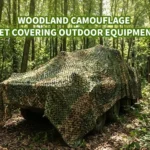
      Woodland camouflage net draped over outdoor equipment to break up its visible outline

      How to Choose and Use Camouflage Netting: A Complete...

      July 26, 2026

      Camouflage netting attached to a frame as an outdoor screen

      How To Use Camouflage Netting?

      November 17, 2026

      Person wearing woodland camouflage clothing among trees, leaves, and natural shadows

      How Biomimicry Shapes Modern Camouflage Clothing and Pattern Design

      July 26, 2026

    • Folded anti-drone net panels beside an open mesh sample

      What Is A Freely Assembled Anti-Drone Net?

      November 18, 2026

      Labelled anti-drone net panels prepared for an approved assembly layout

      How To Build A Freely Assembled Anti-Drone Net

      November 18, 2026

      Camouflage netting attached to a frame as an outdoor screen

      How To Use Camouflage Netting?

      November 17, 2026

      Close-up of a camouflage net showing cut fabric and backing mesh

      What Is Camouflage Netting Meaning?

      November 8, 2026

      Traditional, realistic vegetation, and digital camo patterns

      What Are The Three Main Types Of Camo?

      November 8, 2026

      Camouflage net sample beside a product specification checklist

      What Are The Key Standards For Military Camouflage Nets?

      November 7, 2026

      Shandong Shijie New Materials Technology Co., Ltd. — A manufacturer of concealment, shade, protective cover, functional camouflage fabric, tactical-support gear, and outdoor textile solutions.

      Projects

      Cultural Heritage Protection Industrial & Infrastructure Military Camouflage Applications Wildlife & Environmental

      Latest News

      • What Is A Freely Assembled Anti-Drone Net? November 18, 2026
      • How To Build A Freely Assembled Anti-Drone Net November 18, 2026

        Request a Quote


        Tell us what you need. Our team will reply within one business day.

        © 2026 Shijie New Materials • Designed by Shijie New Materials