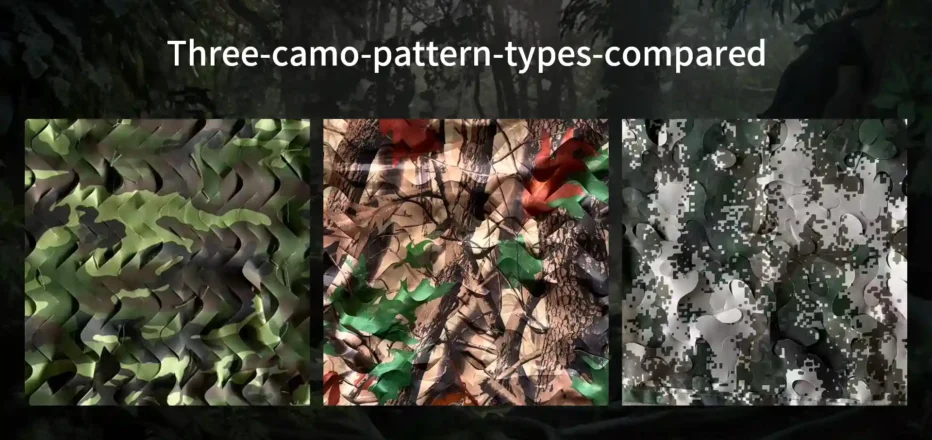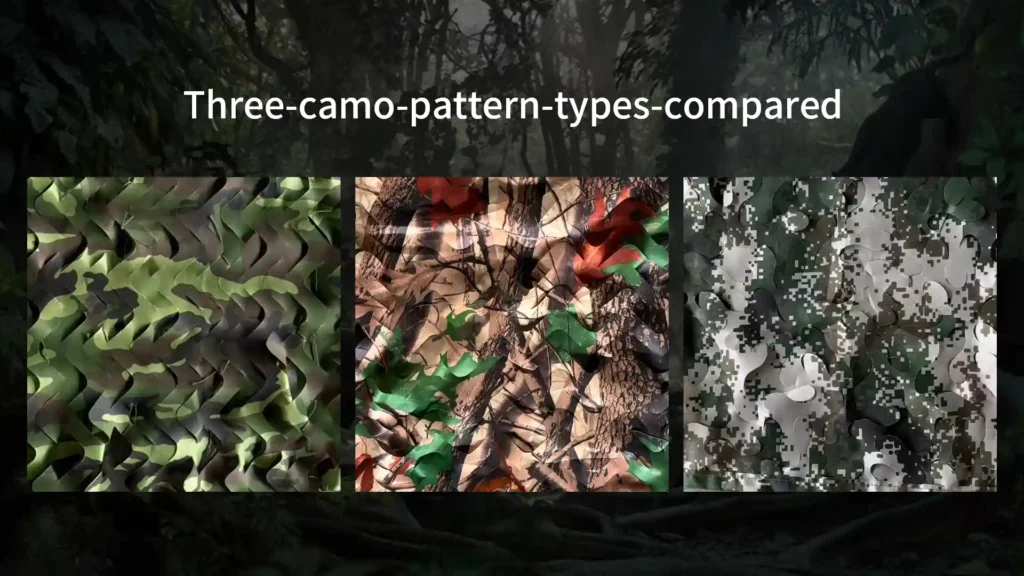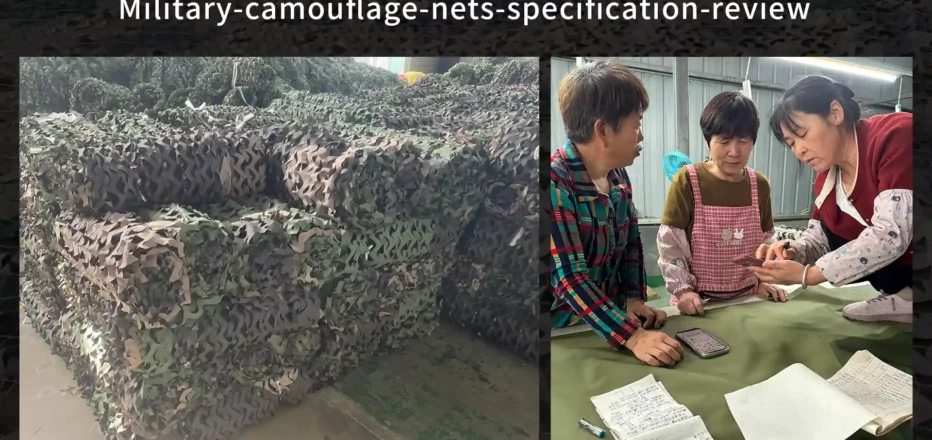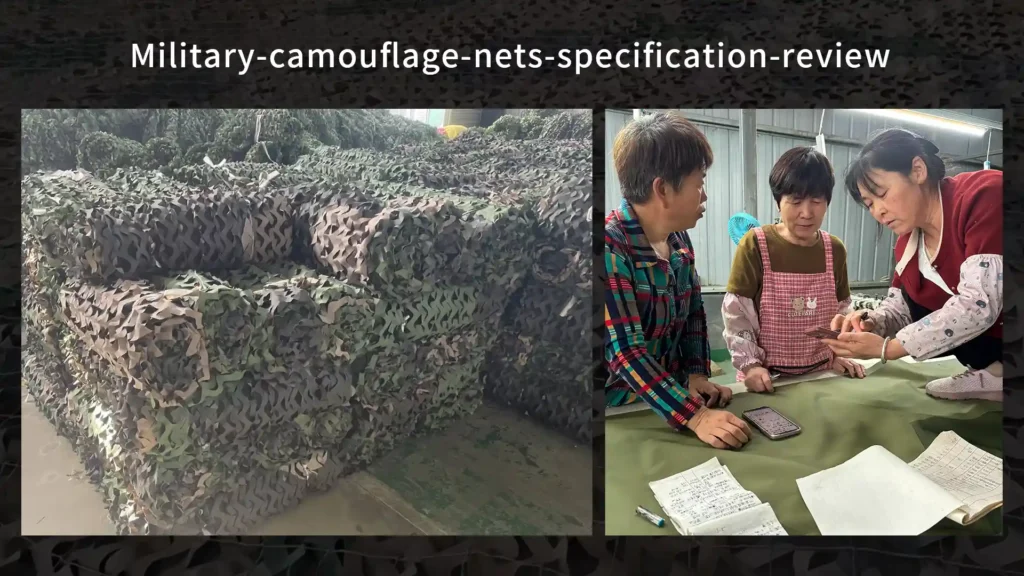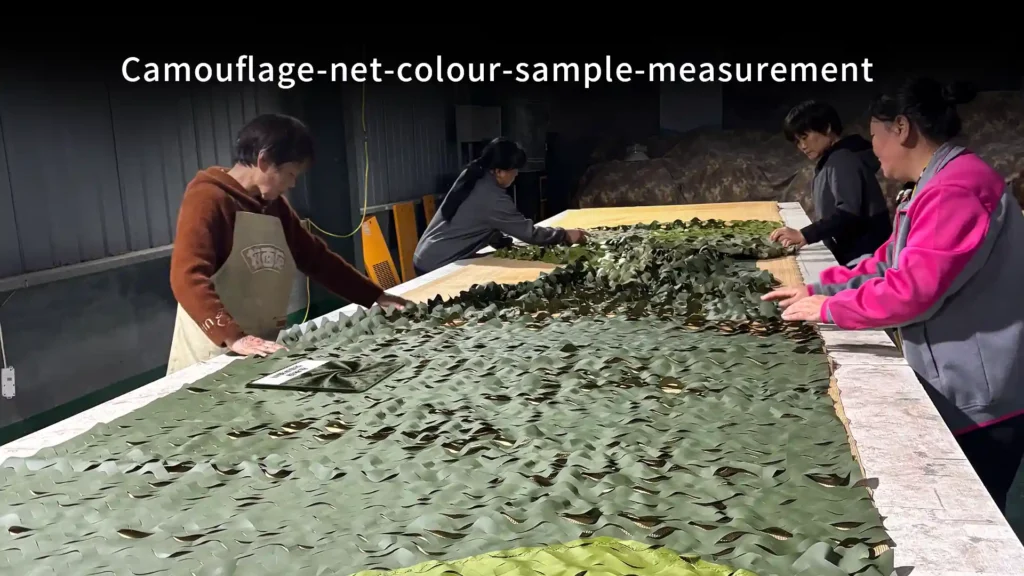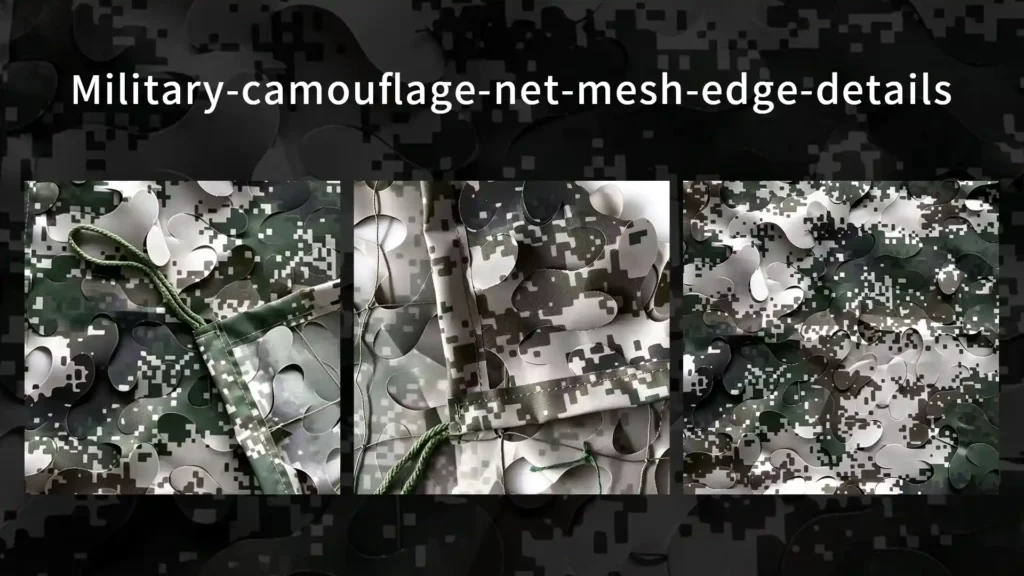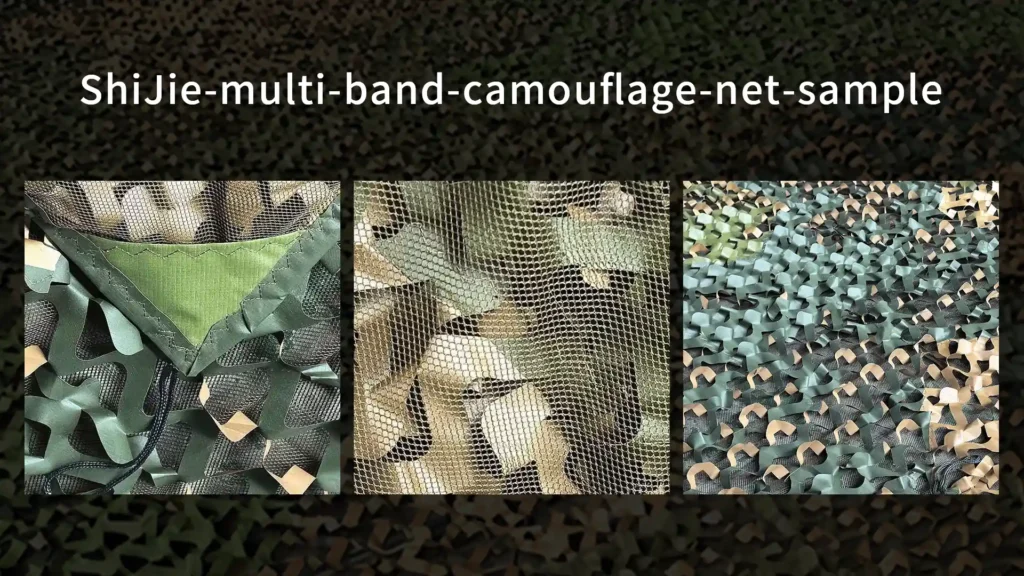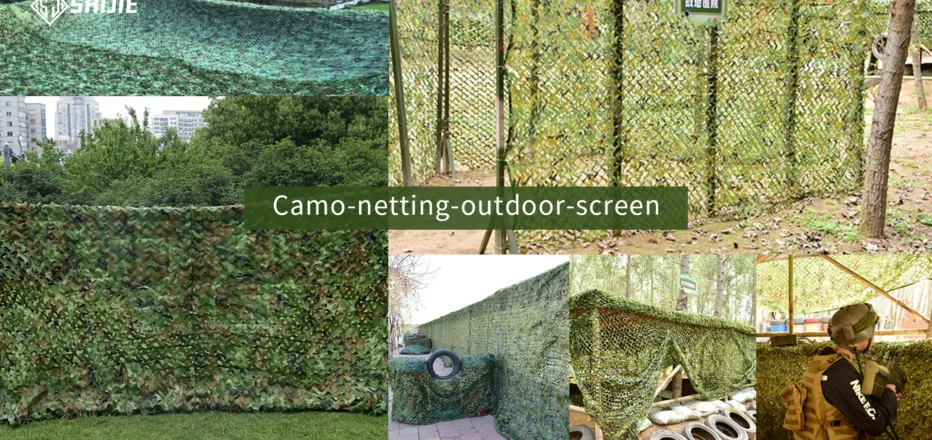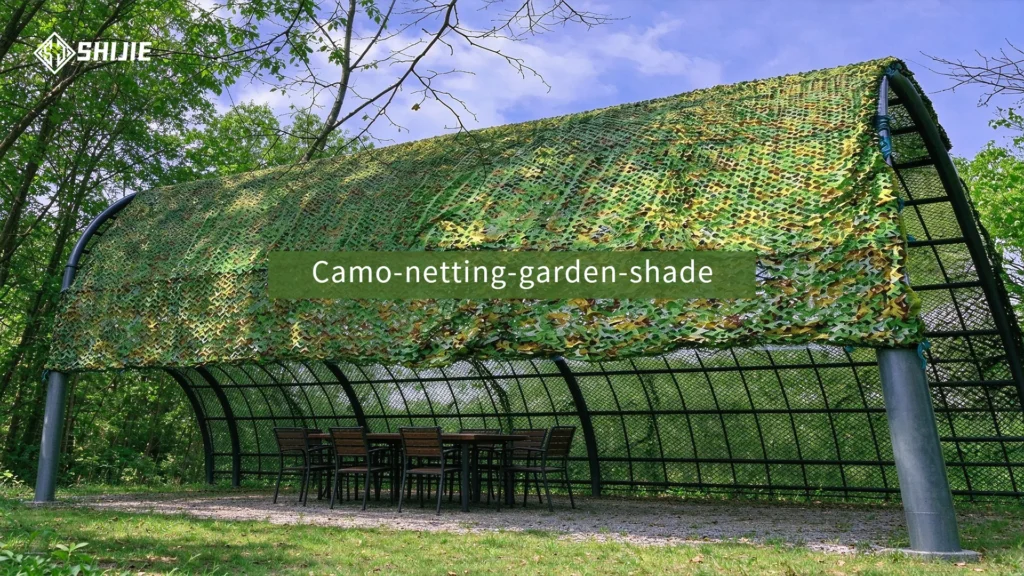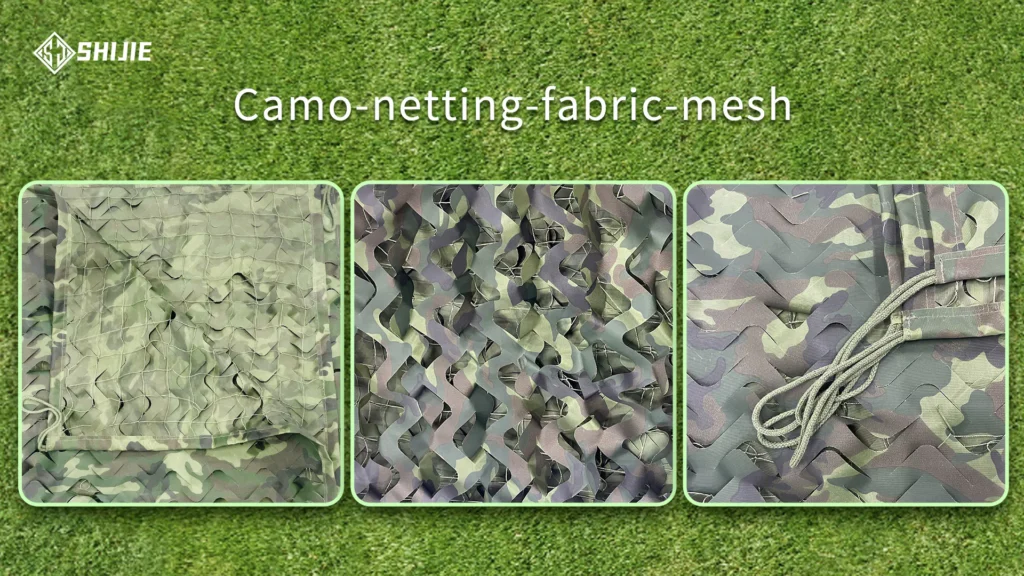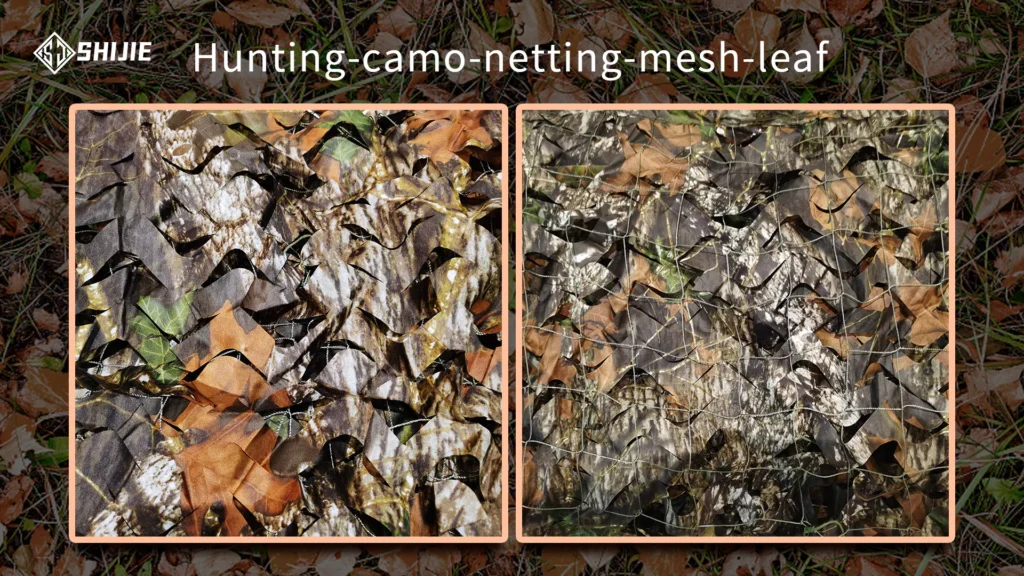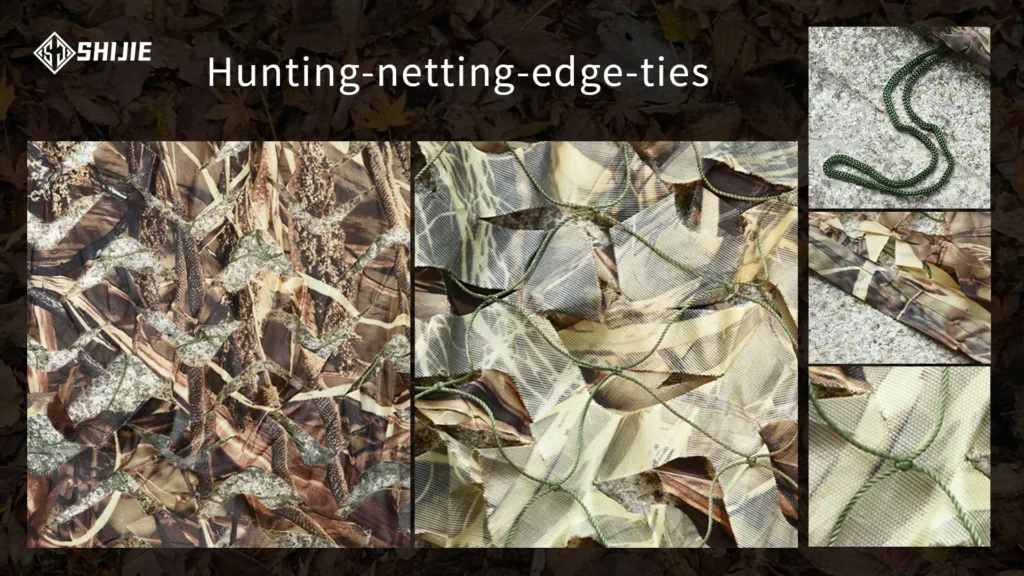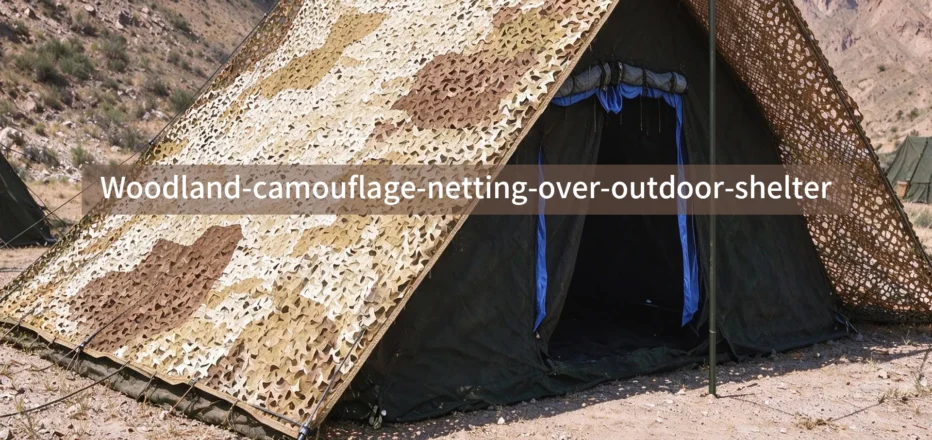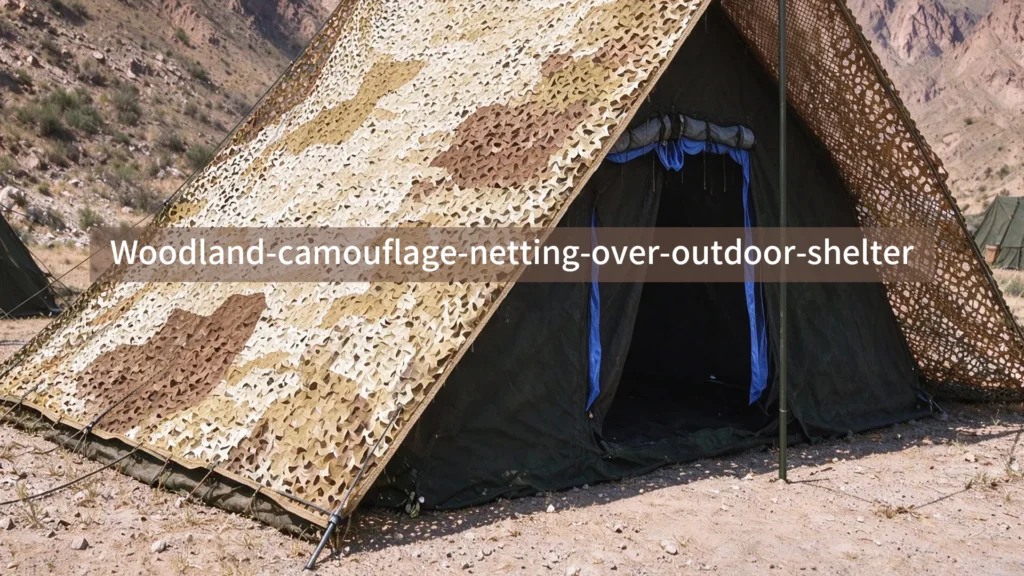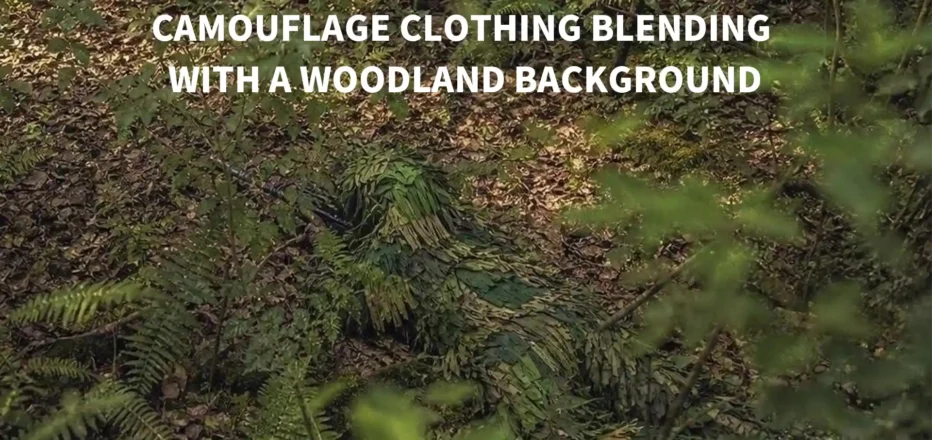
Camouflage netting means a flexible textile screen or covering designed to make an object or area less noticeable against its surroundings. A camouflage net is an individual piece or panel of that material. Its colours, surface texture, and openings can change the appearance of equipment, temporary structures, or outdoor spaces.
The word “camouflage” has a wider meaning. It describes ways of reducing notice or recognition, whether through an animal’s colouring or a manufactured covering. Netting turns that general idea into a product that can be sized, handled, and installed for a particular job.
Understanding the language helps buyers ask better questions. A camouflage pattern describes appearance. A finished net also has a material, construction, dimensions, and performance specification. This article explains those differences and connects the meaning of camouflage with practical netting choices.

What Does Camouflage Mean?
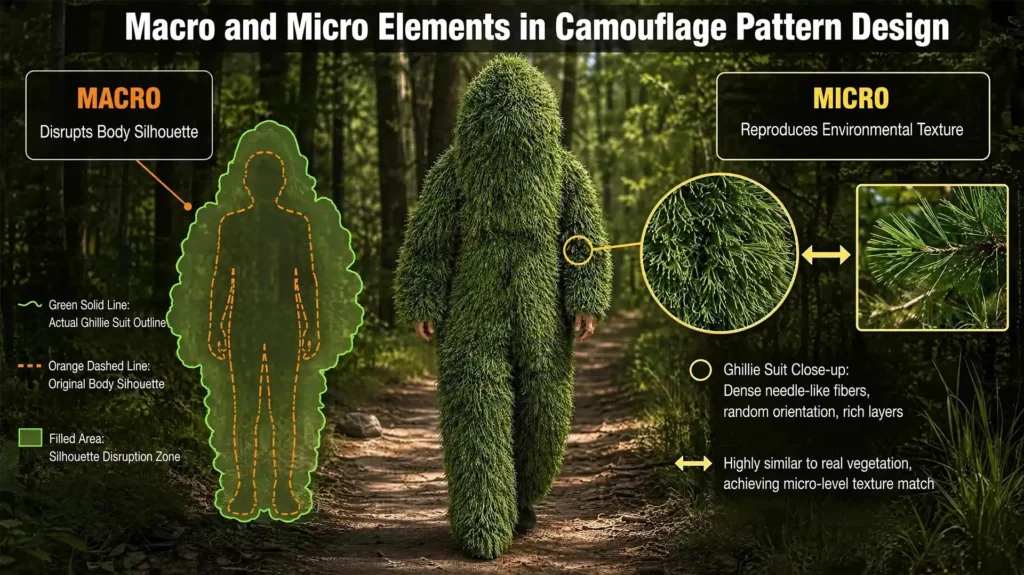
Camouflage refers to features or actions that make something harder to notice or recognise. In a visual setting, this may involve colours, patterns, texture, or shape that relate to the background.
The word can be a noun or a verb. As a noun, it can describe the method or appearance: “The fabric has a camouflage pattern.” As a verb, it describes an action: “The screen camouflages the storage area.”
The word also has figurative uses. Someone might camouflage uncertainty with confident language. That use concerns concealing an impression rather than physically blending with a landscape.
In a product enquiry, be more specific. “Camouflage material” could mean printed fabric, clothing, netting, or a specialised system. “Camouflage net” narrows the request, but the supplier still needs to know the intended use and construction.
Camouflage Net And Camouflage Netting: What Is The Difference?
The terms often refer to the same product family, but their grammar differs. “Net” usually identifies a countable item. “Netting” usually describes the material collectively or an amount of it.
| Term | Typical Meaning | Example In A Buying Enquiry |
|---|---|---|
| Camouflage | The general idea, method, or appearance | We need camouflage suitable for a dry landscape. |
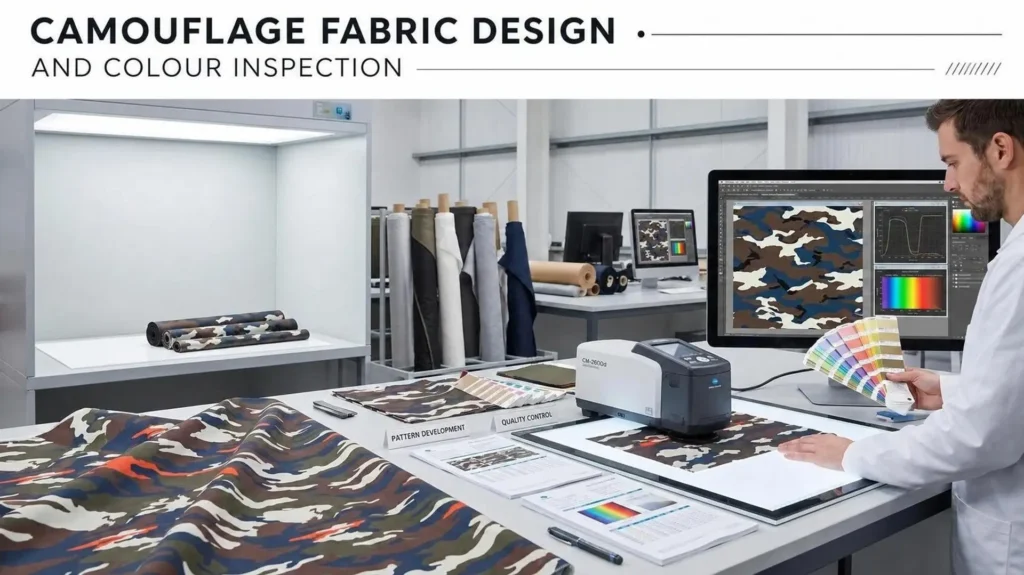
| Camouflage pattern | The printed or coloured design | Please match the approved green-and-brown pattern. |
| Camouflage net | One finished piece or panel | We need twenty nets with bound edges. |
| Camouflage netting | The material or product category | Please quote netting for an outdoor screen. |
| Camo net | An informal shortened term | Can this camo net be supplied in custom sizes? |
Suppliers may use these terms differently in catalogues. Confirm the supply form rather than relying on the product name alone. Netting could be offered as finished panels, rolls, or another agreed form.
For a closer look at the physical product, our article on camouflage net structure and uses explains the main components and applications.
How Animal Camouflage Helps Explain The Idea
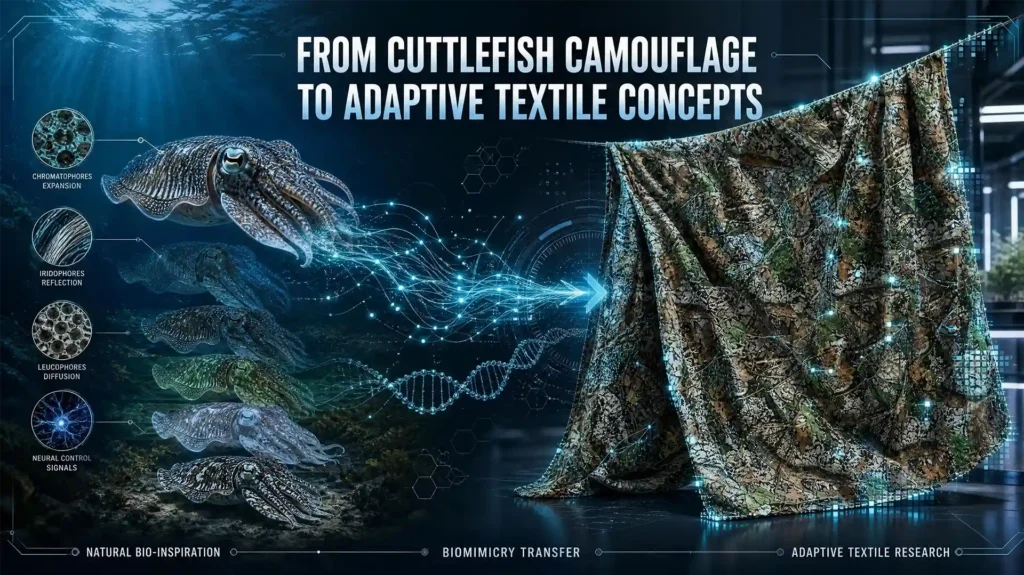
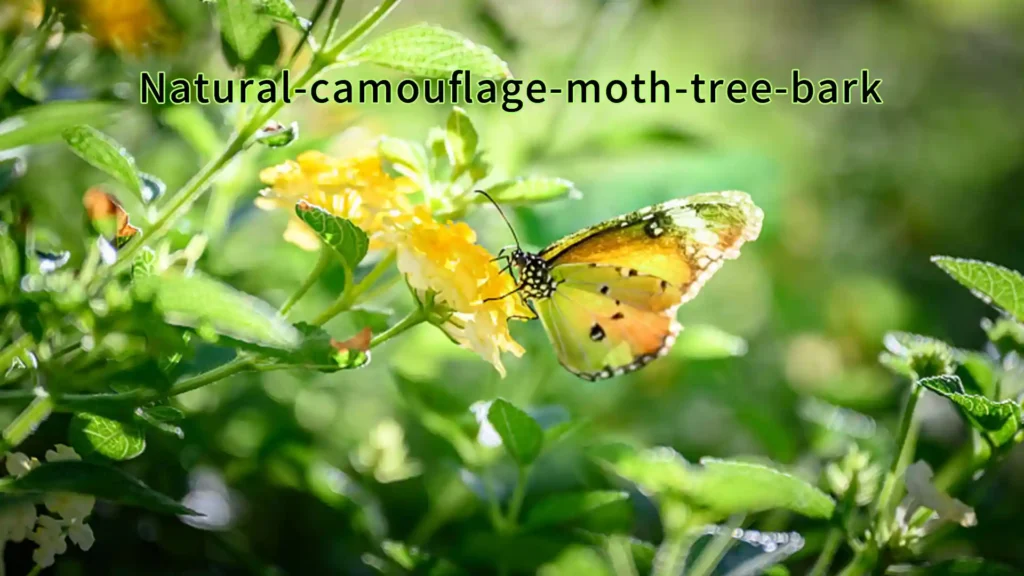
Animal camouflage makes the meaning easier to understand because it shows how appearance relates to a background. The Natural History Museum describes examples of natural colour matching and disruptive coloration, including moths that resemble their resting surfaces and birds with patterns that break up their outlines.
Three ideas are useful here:
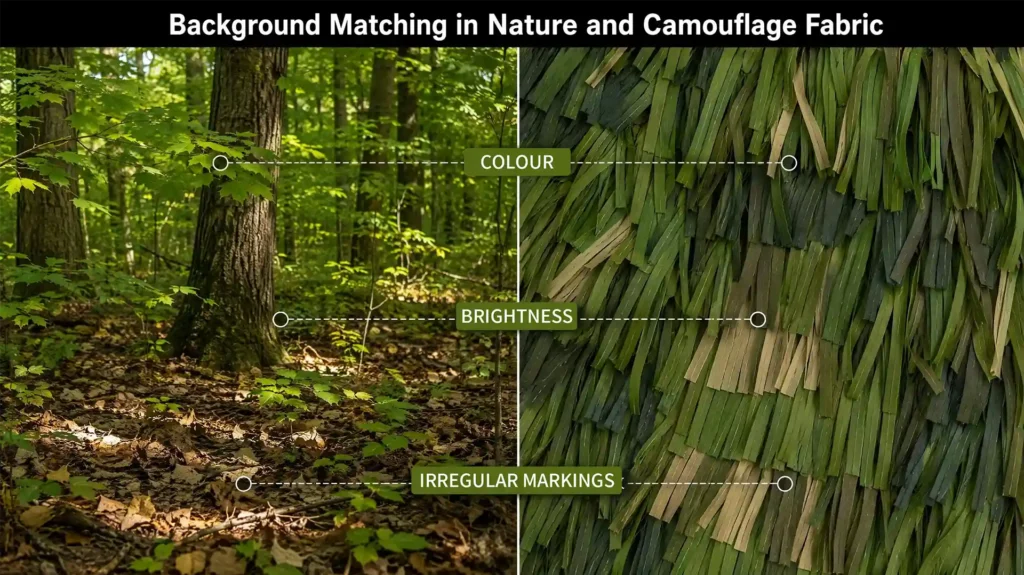
- Background matching: Colours resemble those around the animal.
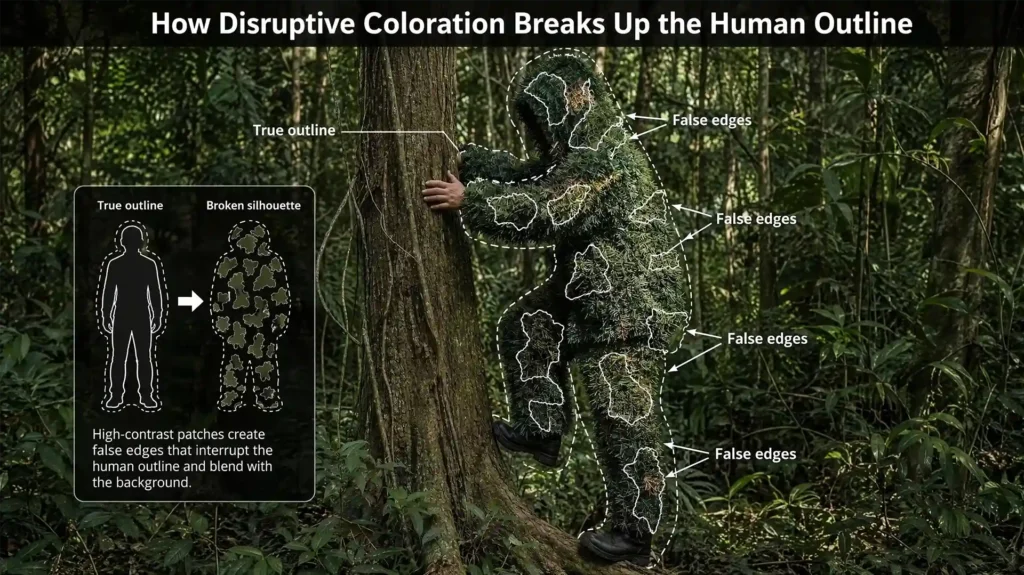
- Disruptive coloration: Patterns make the body’s outline harder to pick out.
- Resemblance to objects: An animal can look like a leaf or branch rather than a readily recognisable body.
These ideas are related, and biological terminology is more detailed than a simple list. Resembling an inanimate object is often discussed as masquerade or mimesis. It should not be confused with every other form of mimicry.
A manufactured net can draw on similar visual principles, but it is not a living system. Its selected colours and structure do not automatically change when the season, light, or background changes.
This distinction matters when comparing product claims. An animal example can explain a design idea. It cannot establish a textile’s effectiveness, strength, or durability. Our discussion of biomimicry in camouflage design explores how natural principles can inform textile patterns.
What Is The Difference Between Camouflage And Disguise?
The words overlap, but they often emphasise different things. Camouflage commonly concerns making something less noticeable. Disguise often concerns changing its apparent identity or appearance.
A patterned screen around a storage area can reduce its visual contrast with nearby vegetation. A costume that makes an actor look like another person is a disguise. Both change what an observer perceives, but the immediate purpose differs.
For netting buyers, this is mainly a vocabulary distinction. A decorative camouflage print may create a themed appearance without providing useful visual screening. Describe the result you need rather than assuming that a familiar pattern delivers it.
How The Idea Becomes A Manufactured Net
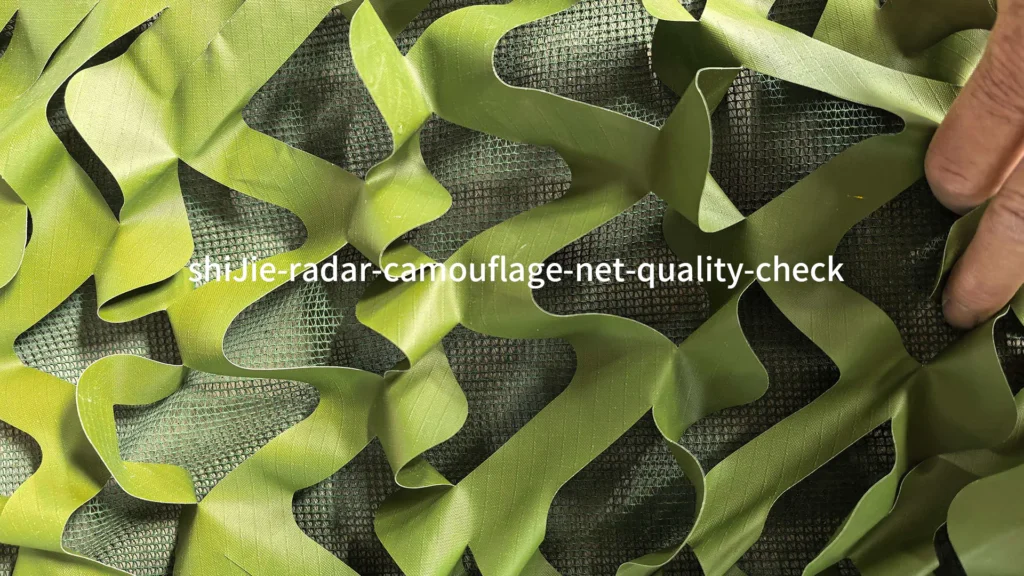
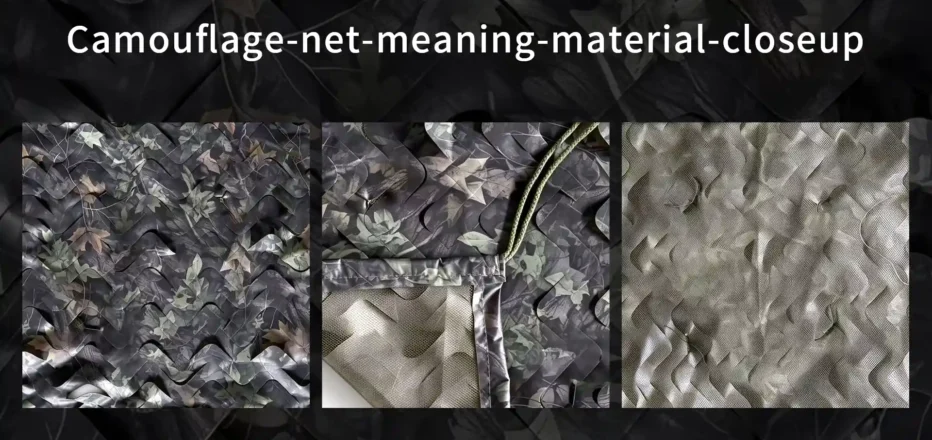
A camouflage net combines visual design with textile construction. The print or colour palette is one element. The way the fabric is cut, supported, and finished is another.
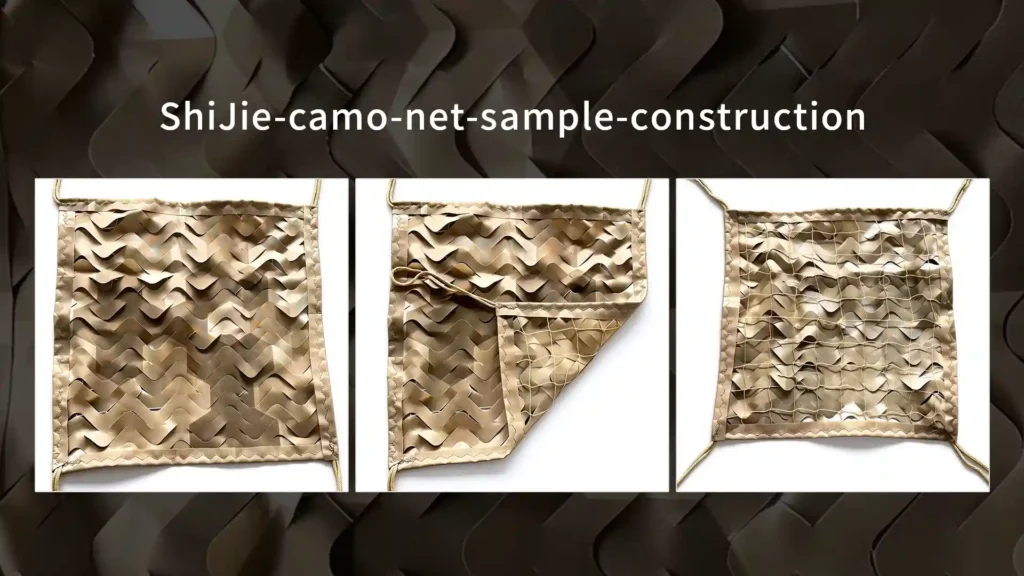
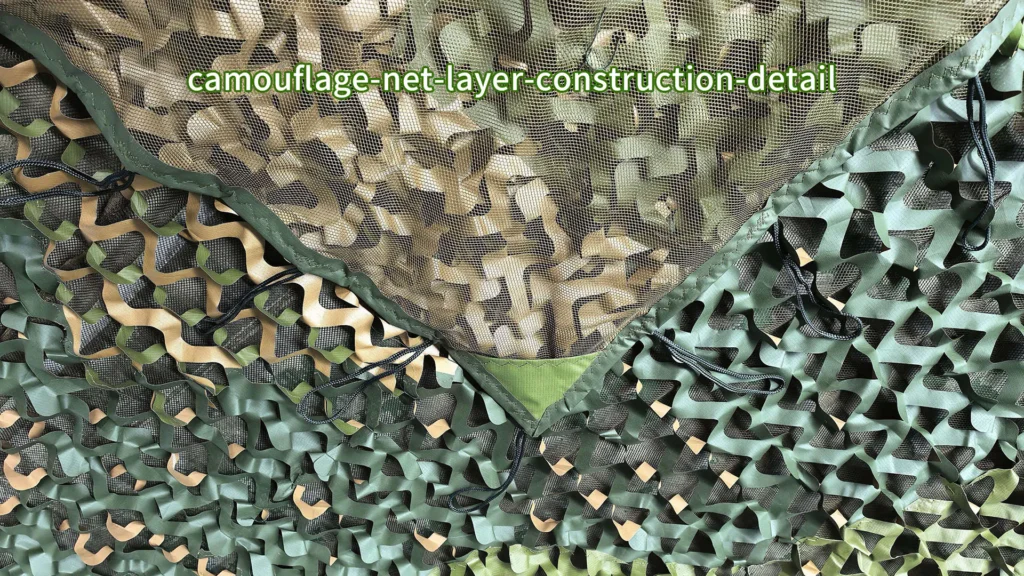
Some products use a single cut fabric layer. Others add a reinforcing mesh behind it. More complex assemblies can combine additional faces or functional layers according to the specification.
| Component | Role In The Finished Product |
|---|---|
| Surface fabric | Carries the selected colours and cut structure |
| Printed or dyed finish | Establishes the approved surface appearance |
| Backing mesh, where included | Supports the fabric assembly and handling |
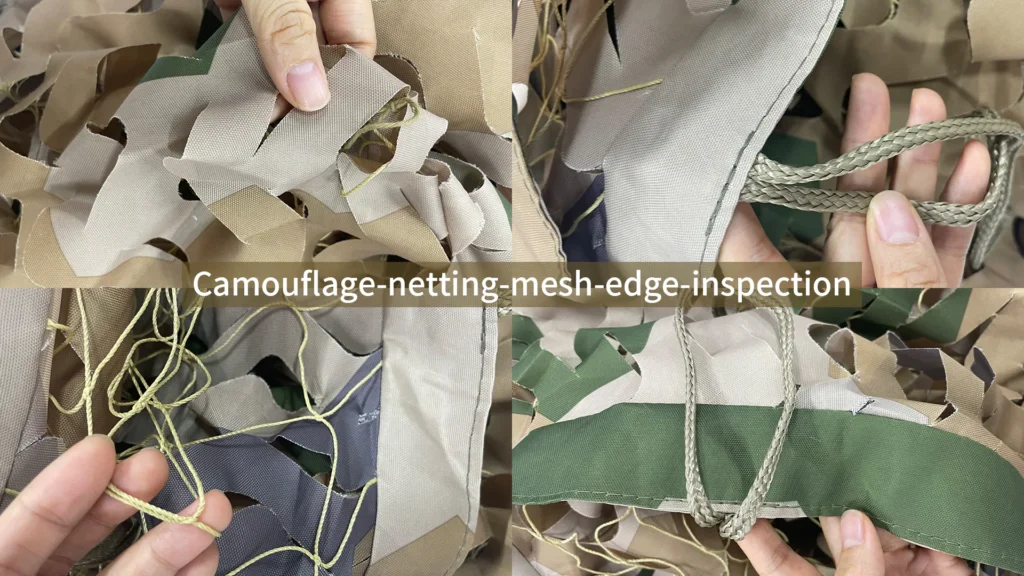
| Edge finish | Defines and reinforces the panel perimeter as specified |
| Ties or connectors | Provide the agreed attachment and joining details |
| Additional layers | Add a defined construction feature or specified function |
These parts should be reviewed together. A strong fabric does not automatically establish the strength of its seams. A suitable print does not establish outdoor service life. A dense backing can change weight and handling even when the visible pattern remains similar.
A Leaf Print Is Different From A Cut-Leaf Surface
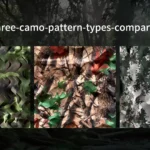
A printed leaf image is artwork on the fabric. A cut-leaf surface has physical openings and fabric sections. A product may have either feature or both.
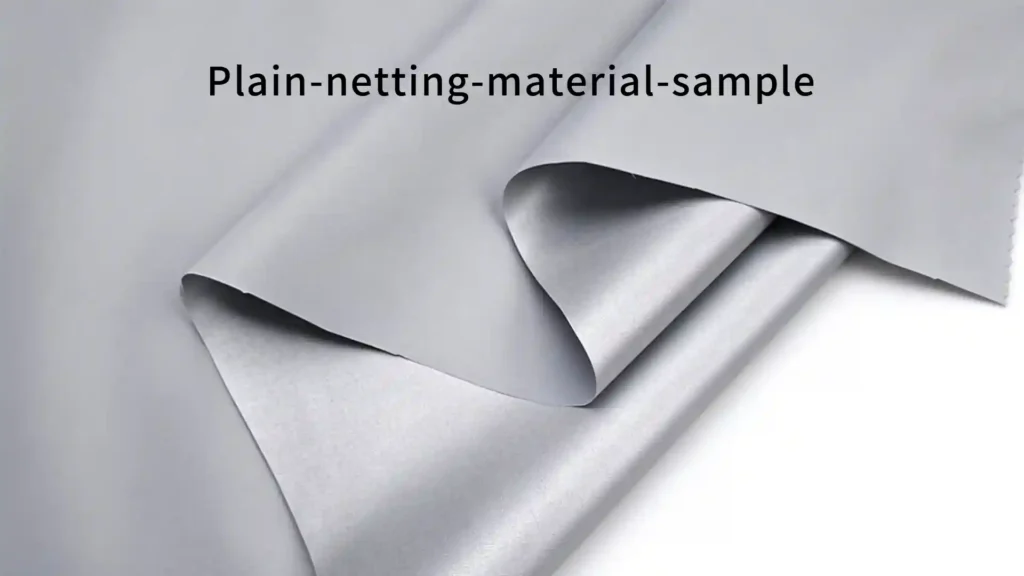
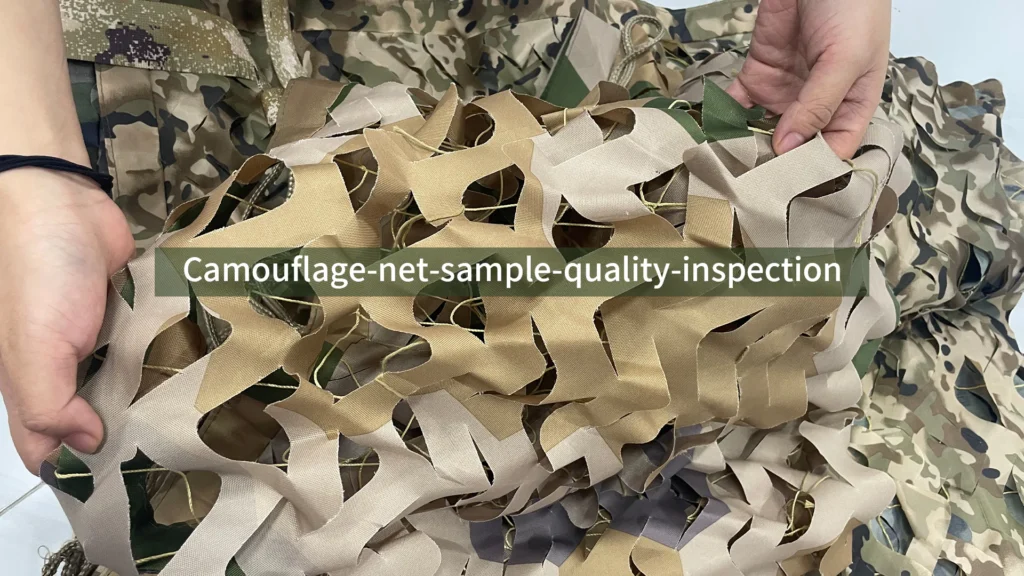
This is why a flat fabric swatch cannot answer every question about the finished net. Buyers should review an assembled sample when coverage, texture, packing, or attachment details matter.
Single-Layer And Backed Nets Are Different Choices
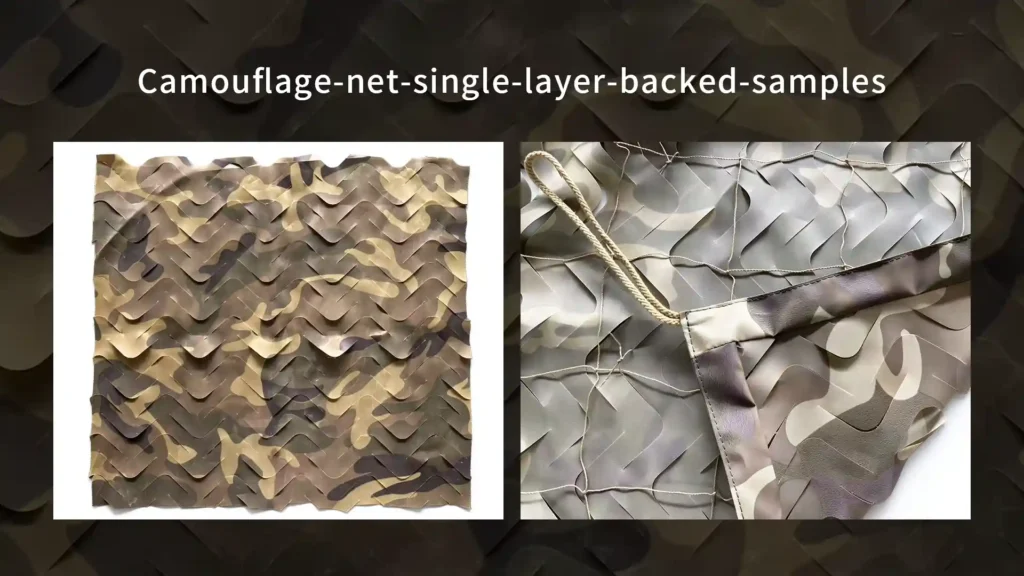
The SHIJIE CamoNet Single-Layer uses a cut fabric layer without standard reinforcing backing mesh. Its published applications include temporary screening, decoration, and lightweight covering.
The SHIJIE CamoNet Lite 150D combines a polyester surface with a nylon backing mesh. These examples show why two products called camouflage netting can have different structures.
Choose between them through the application, sample, and agreed specification. The name alone does not identify the best product for every installation.
Does Camouflage Netting Always Mean Military Equipment?
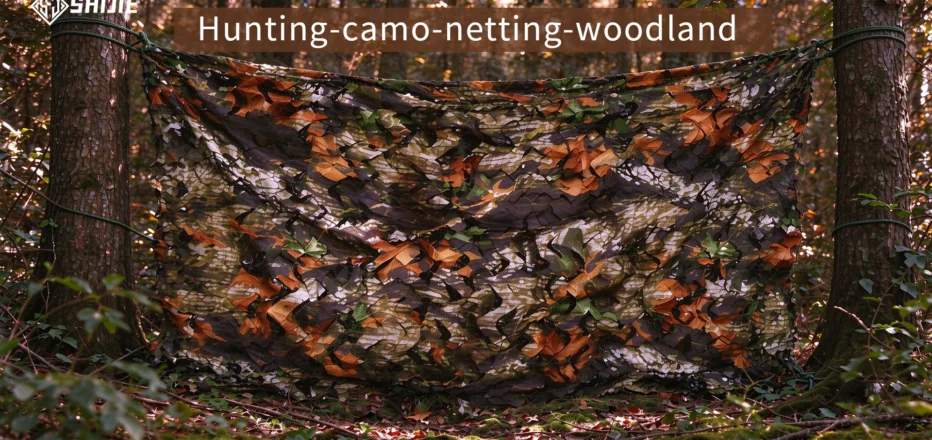
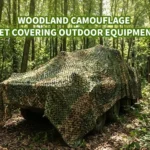
No. A camouflage net may be used in defence-related settings, but the term also covers outdoor and commercial products. Buyers use patterned netting for visual screens, wildlife observation spaces, display backgrounds, recreation areas, and partial shade.
The required specification changes with the purpose. A film-set backdrop may focus on appearance and ease of handling. A reusable outdoor panel may place more emphasis on its edges, attachments, and exposure requirements.
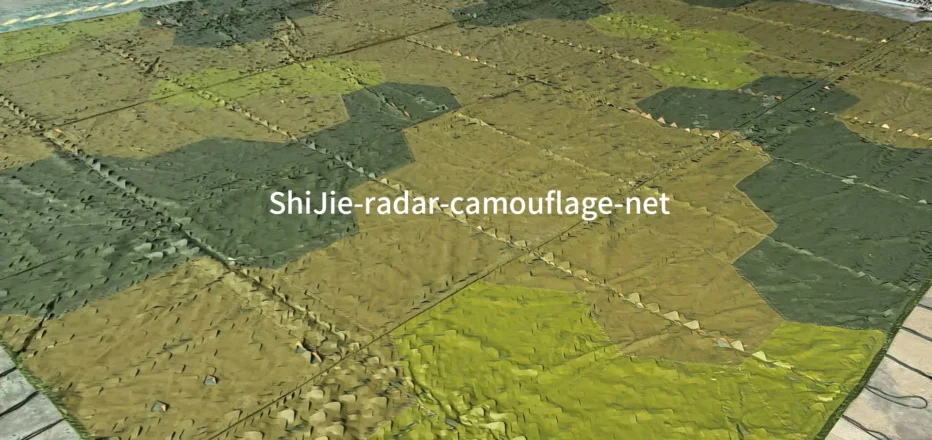
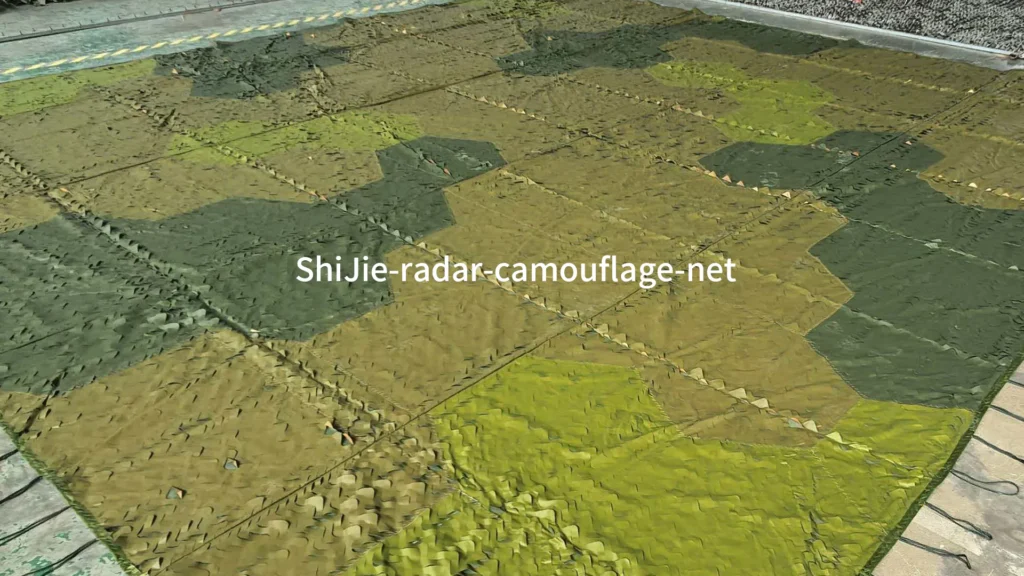
Specialised camouflage systems are a separate technical purchase. Some are engineered for defined functions beyond visible appearance. A green-and-brown pattern does not itself establish infrared, thermal, or radar-related performance.
When those functions are required, ask for the applicable test method, acceptance criteria, and documentation for the supplied configuration. A military-style appearance is not a substitute for that information.
What Does A Camouflage Net Do Outside Defence Applications?
For everyday projects, the meaning of “camouflage” becomes a practical design goal: changing how an area looks. The buyer still needs to state how that goal will be judged.
Visual Screening
The net can alter the appearance of an enclosure, stored materials, or a temporary structure. Compare the proposed colours and coverage with the actual setting. Review both the material and the completed panel.
Partial Shade
Fabric-covered areas interrupt some incoming light, while openings remain. If shade is the main purpose, request a suitable measurement for the finished specification. A camouflage pattern does not establish a particular shade percentage or cooling result.
Privacy And Decoration
An open net may reduce views without forming an opaque barrier. Check visibility under the relevant lighting when privacy matters. For decoration, compare the texture, hanging dimensions, and colour with the intended design.
Our camouflage net range brings together different materials and structures for these types of enquiries. Confirm which options are available in the particular model and configuration you need.
Turn The Meaning Into A Clear Buying Specification
Understanding the word is useful, but a purchasing description needs more detail. Start with the result you want, then define the product that will be supplied.
For example, “camouflage net for an outdoor display” leaves many questions open. A clearer enquiry includes the panel dimensions, colour reference, intended display period, backing preference, edge finish, and packing needs.
Before ordering, confirm:
- Purpose: Screening, shade, privacy, decoration, or a defined technical function.
- Background: The site colours and any seasonal changes that matter.
- Finished construction: Surface fabric, backing, layers, and edge details.
- Size and attachments: Dimensions, tolerances, tie positions, and panel connections.
- Exposure and care: Indoor or outdoor use, expected conditions, cleaning, and storage.
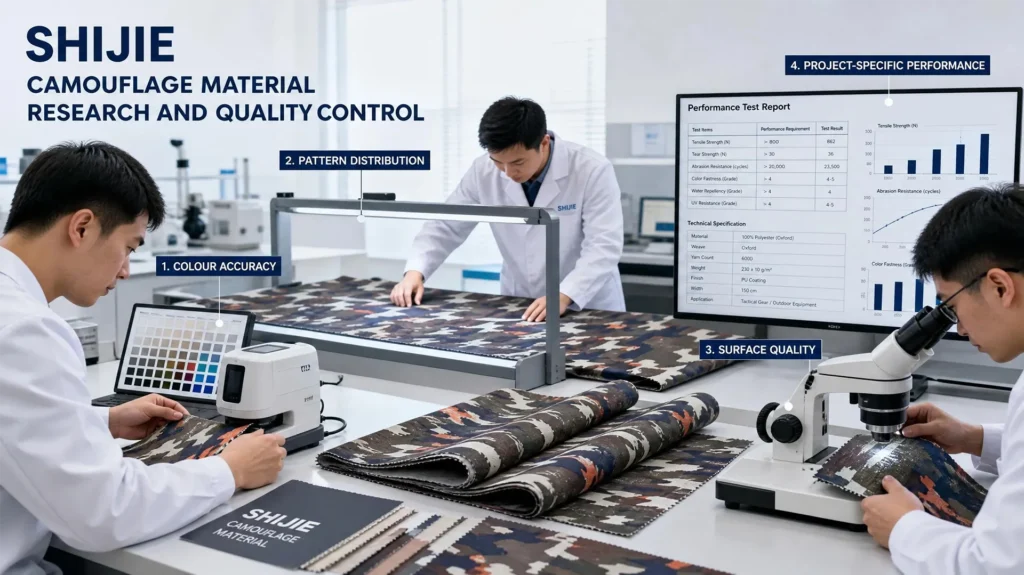
- Evidence: The sample and relevant tests used to approve the specification.
For the next stage of selection, see our guide to choosing and using camouflage netting. Keep the approved sample and specification together so future orders refer to the same agreed product.
How SHIJIE Supports Camouflage Net Projects
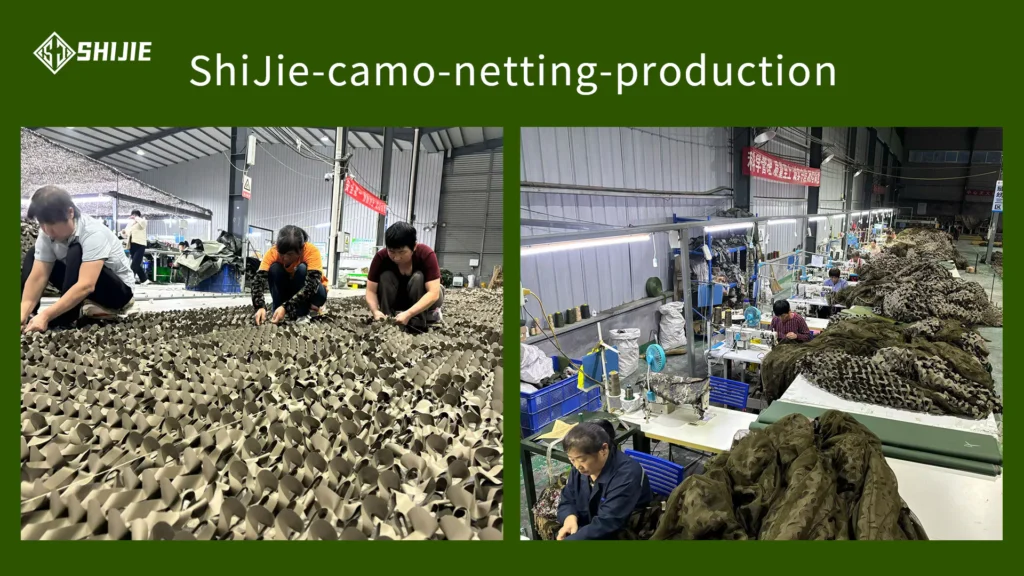
At SHIJIE, we connect the visual requirement with practical textile production. Shandong Shijie New Materials Technology Co., Ltd. manufactures camouflage nets and related textile products for distributors, brands, contractors, and professional buyers.
Our capabilities cover custom camouflage textile production, including material selection, patterns, dimensions, structures, and specified finishing options. The requirement determines which construction and production route should be reviewed. sjxincai.com
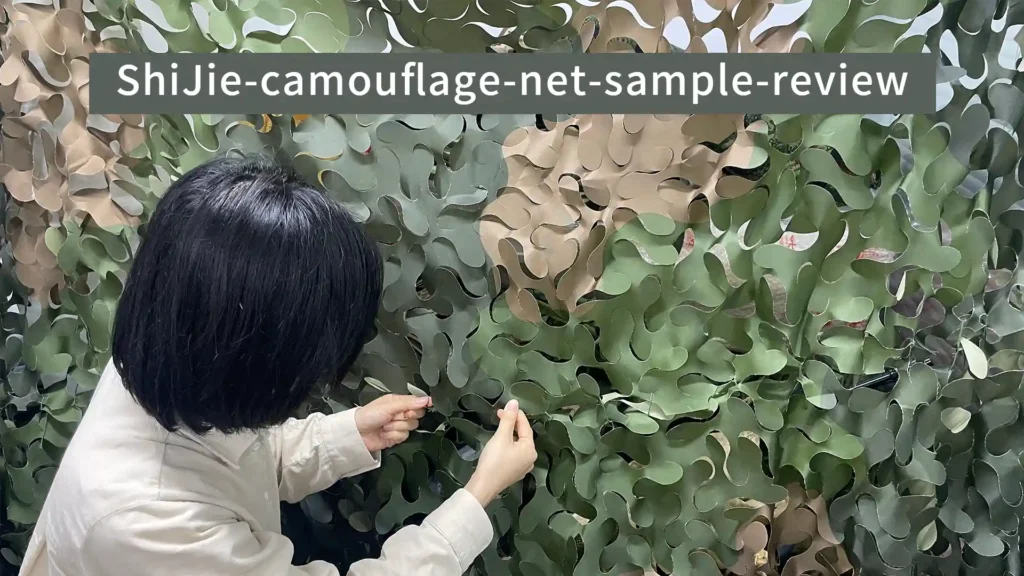
Bring us a purpose, site reference, drawing, or sample. We can discuss available options and the details needed for a quotation. A representative finished sample then gives both sides a clearer basis for agreeing on colour, coverage, stitching, attachments, and packing.
The important step is to define what the net must deliver. A product described only as “camouflage” leaves too much to interpretation. A clear specification makes the proposed order easier to compare, approve, and repeat.
Frequently Asked Questions
What Does Camouflage Net Mean In Simple English?
It means a flexible screen or covering designed to make an object or area less noticeable against its surroundings. The product’s colours and construction should suit its intended purpose.
Is Camo Net The Same As Camouflage Net?
Usually, yes. “Camo” is a shortened form of “camouflage.” In an order, confirm the actual material and finished construction regardless of which term the supplier uses.
Is Every Camouflage Net Waterproof?
No. Open netting is not a continuous waterproof cover. Even a water-resistant fabric can have openings that allow rain through. Specify a separate rain-protection requirement when needed.
Does Camouflage Netting Work In Every Environment?
No single appearance suits every background equally. Review the actual location, season, and intended use. A sample selected for green vegetation may look very different against pale dry ground.
Can A Camouflage Net Automatically Block Thermal Cameras?
No. A visible camouflage pattern does not establish thermal performance. Any such requirement needs product-specific evidence and an agreed test specification.
Can SHIJIE Supply Custom Sizes And Colours?
Yes. We support customised specifications according to the product and project requirements. Provide the intended application, dimensions, colour reference, quantity, and exposure conditions for review.
Understanding The Term Is The First Step
Camouflage describes the broad idea of reducing notice or recognition. A camouflage net applies that idea through a manufactured textile screen. Its useful qualities come from the combination of appearance, material, construction, and suitability for the job.
To discuss a product for your next project, learn more about SHIJIE and share a clear application brief. That turns a general term into a sample and specification you can assess before ordering.